Modular
Insights.
Clear, practical answers on modular construction, how it saves time and money, how it compares to stick‑built, and what it means for developers, municipalities, and remote communities.
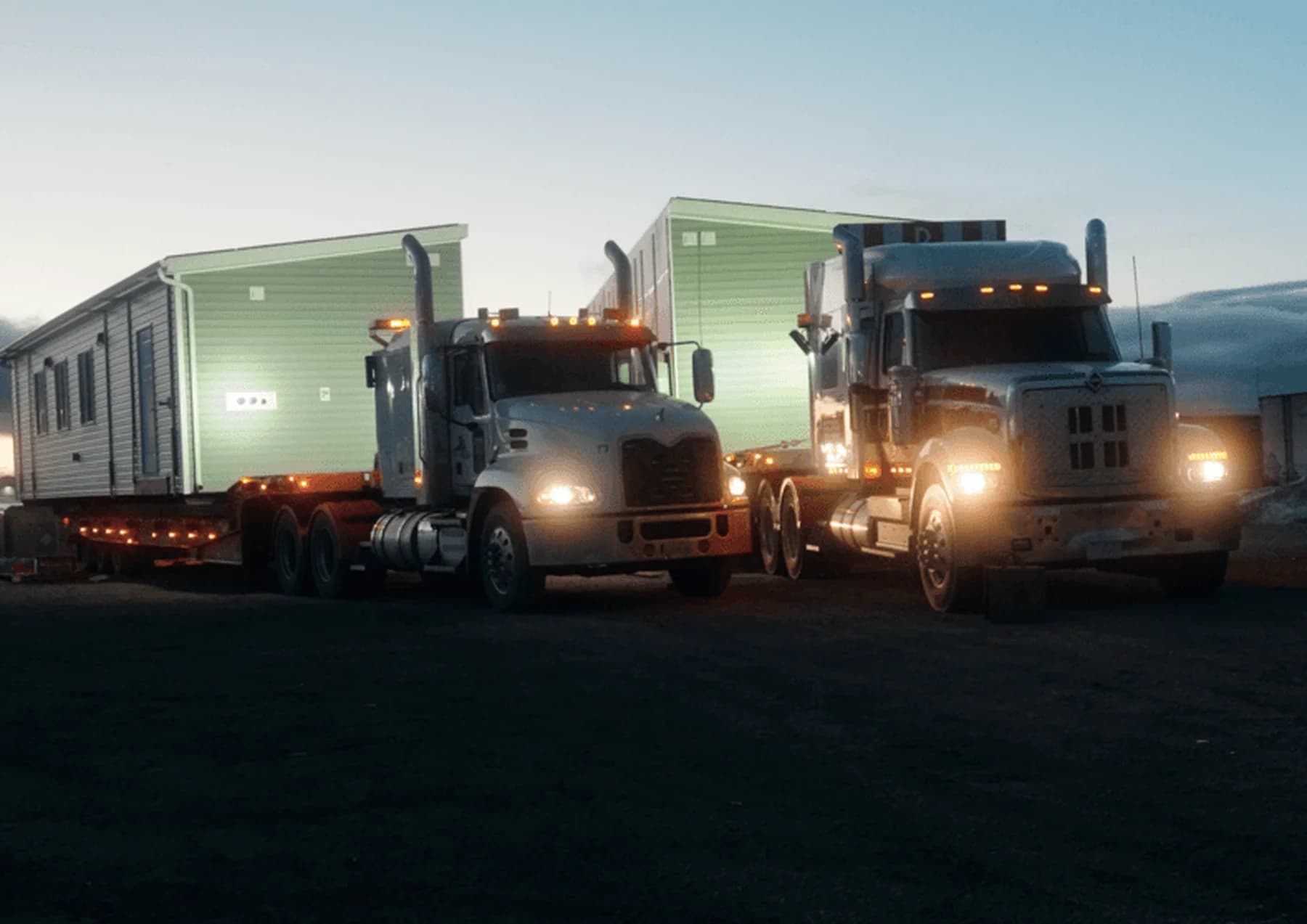
Wildfire-Resilient Exteriors for Modular Buildings
What FireSmart Canada's guidance says about roofs, siding, vents and the first 1.5 metres around a building, and the modular exterior options that answer it.
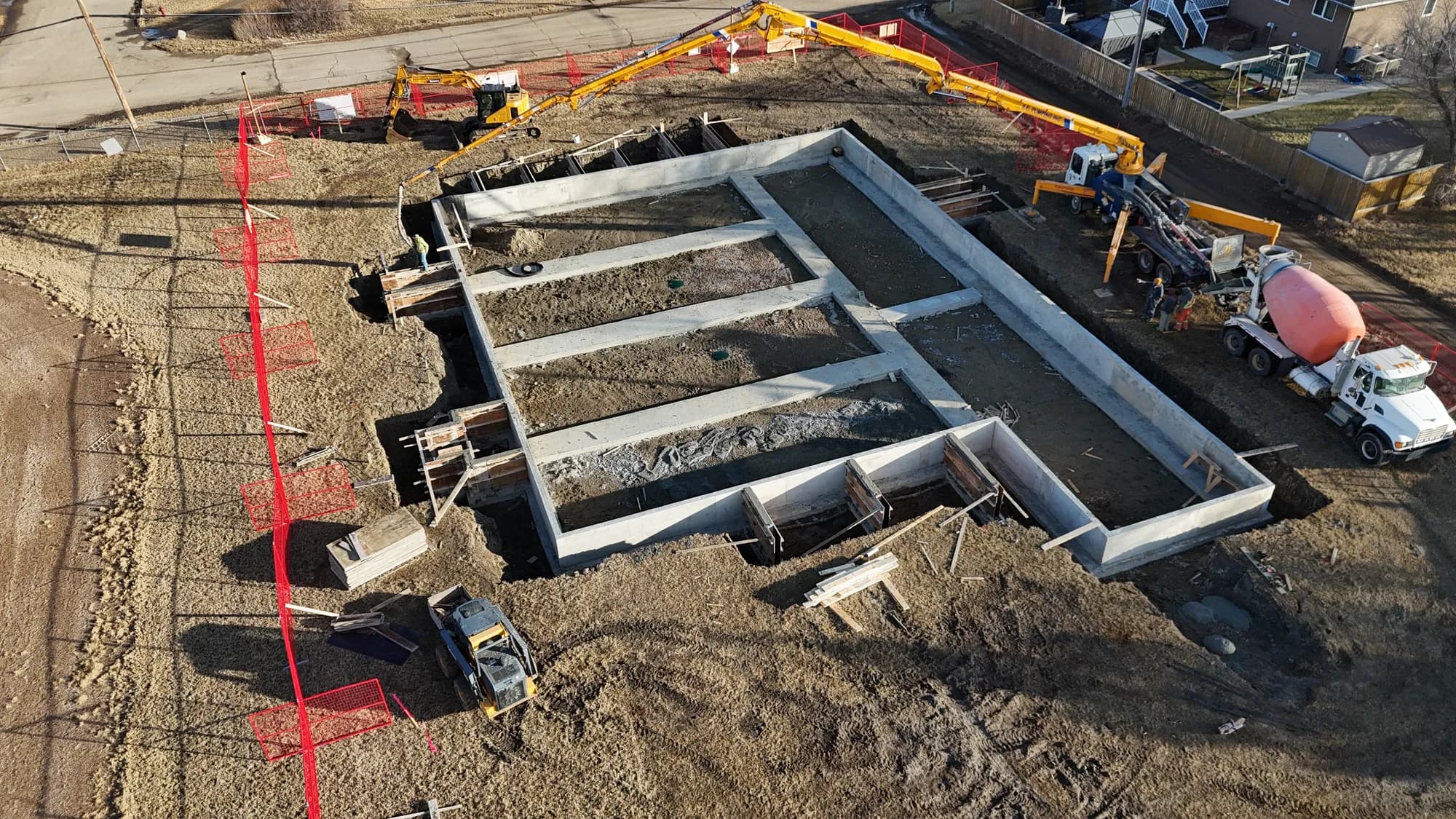
Design-Build or Supply-and-Set Modular?
Two ways to buy a commercial modular building: what each covers, where the risk sits between the site and the factory, and how to choose.
Read more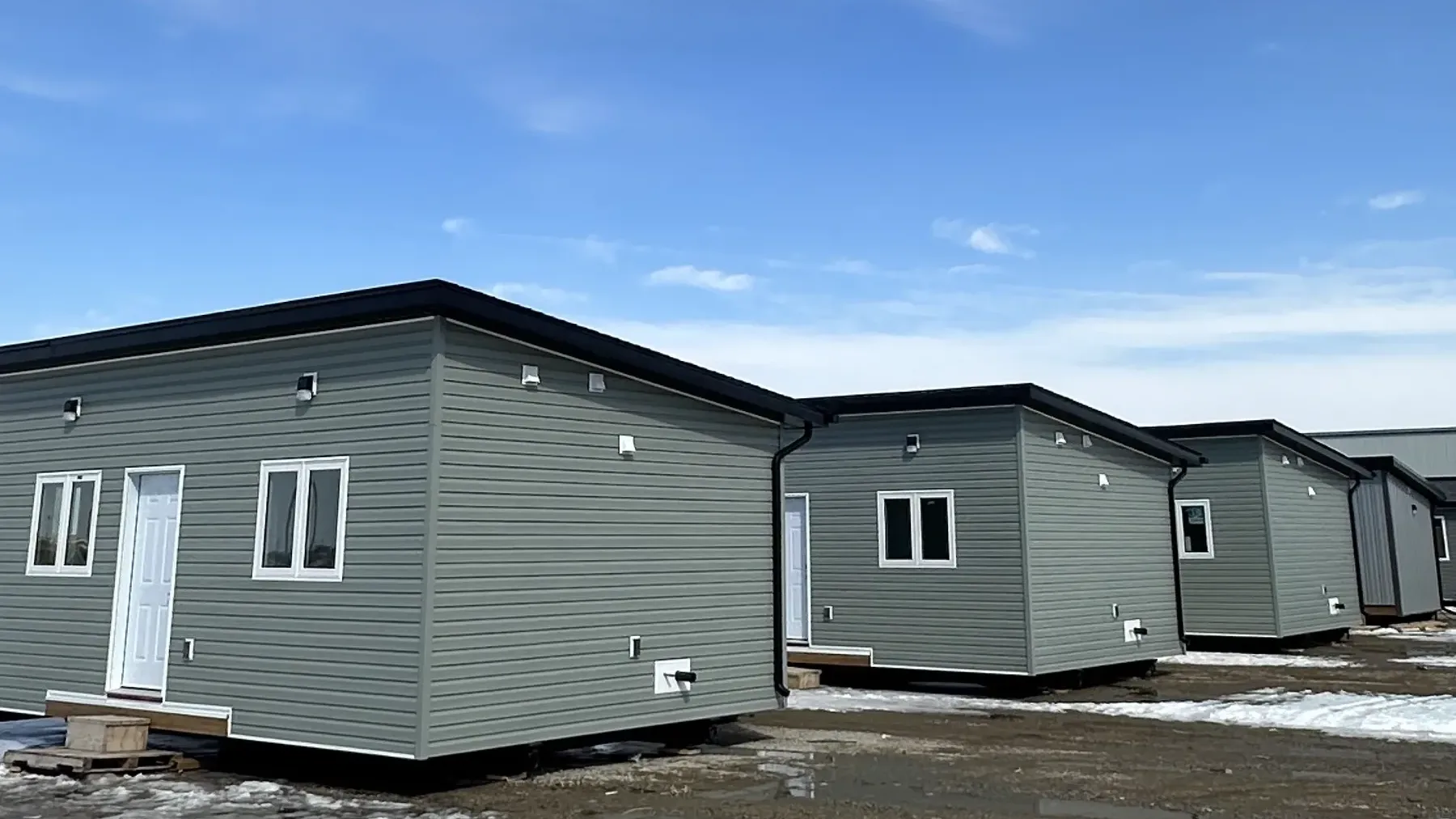
Canada's Housing Gap and Factory-Built Supply
CMHC's estimate of the homes Canada must start each year, what the Housing Accelerator Fund and Build Canada Homes fund as of October 2026, and what the Rapid Housing Initiative taught.
Read more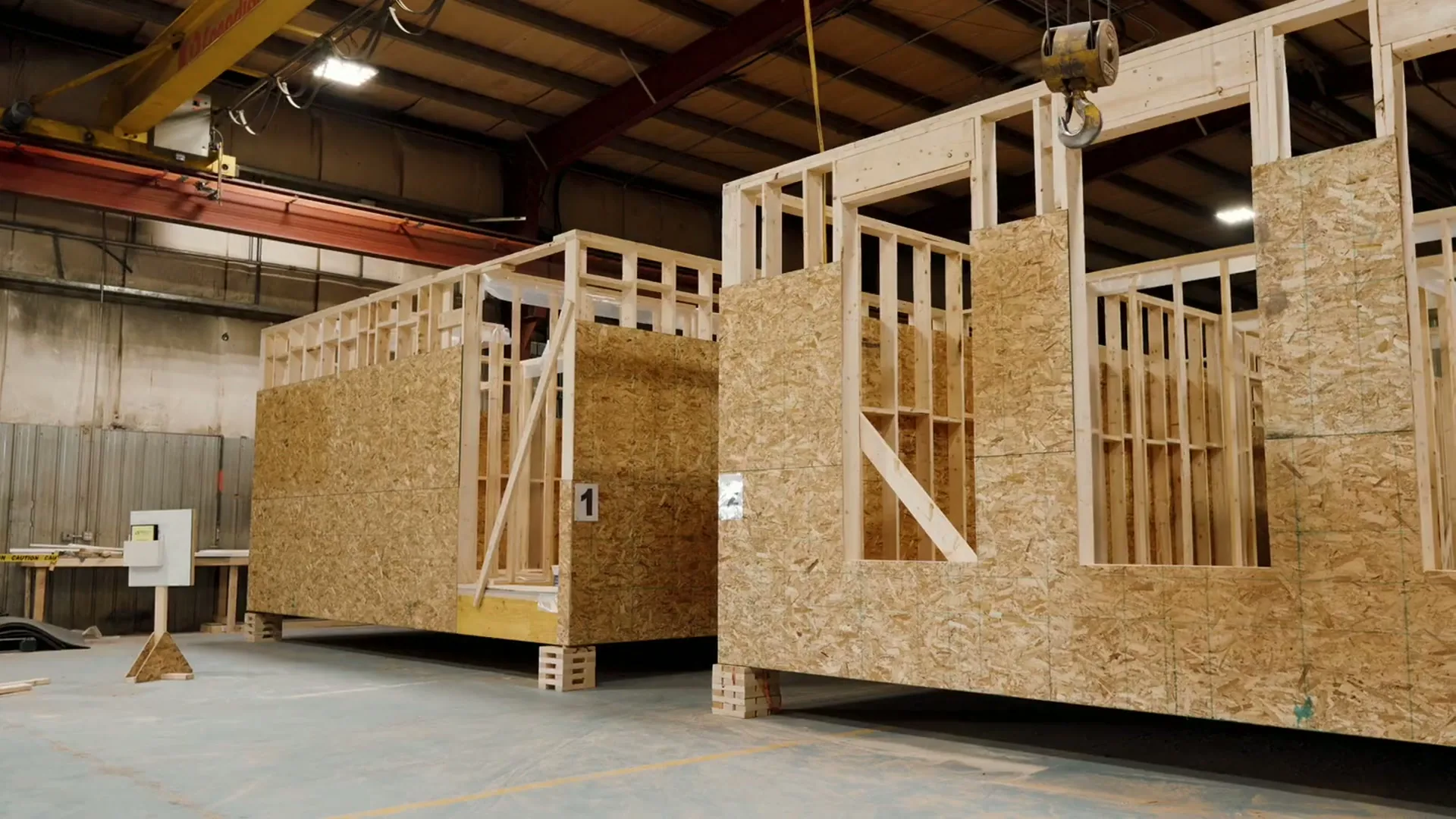
Quality Control in a Modular Factory
What is inspected before walls close, who checks it under CSA A277 and Prairie building rules, how it differs from site inspection, and ten questions to ask any manufacturer.
Read more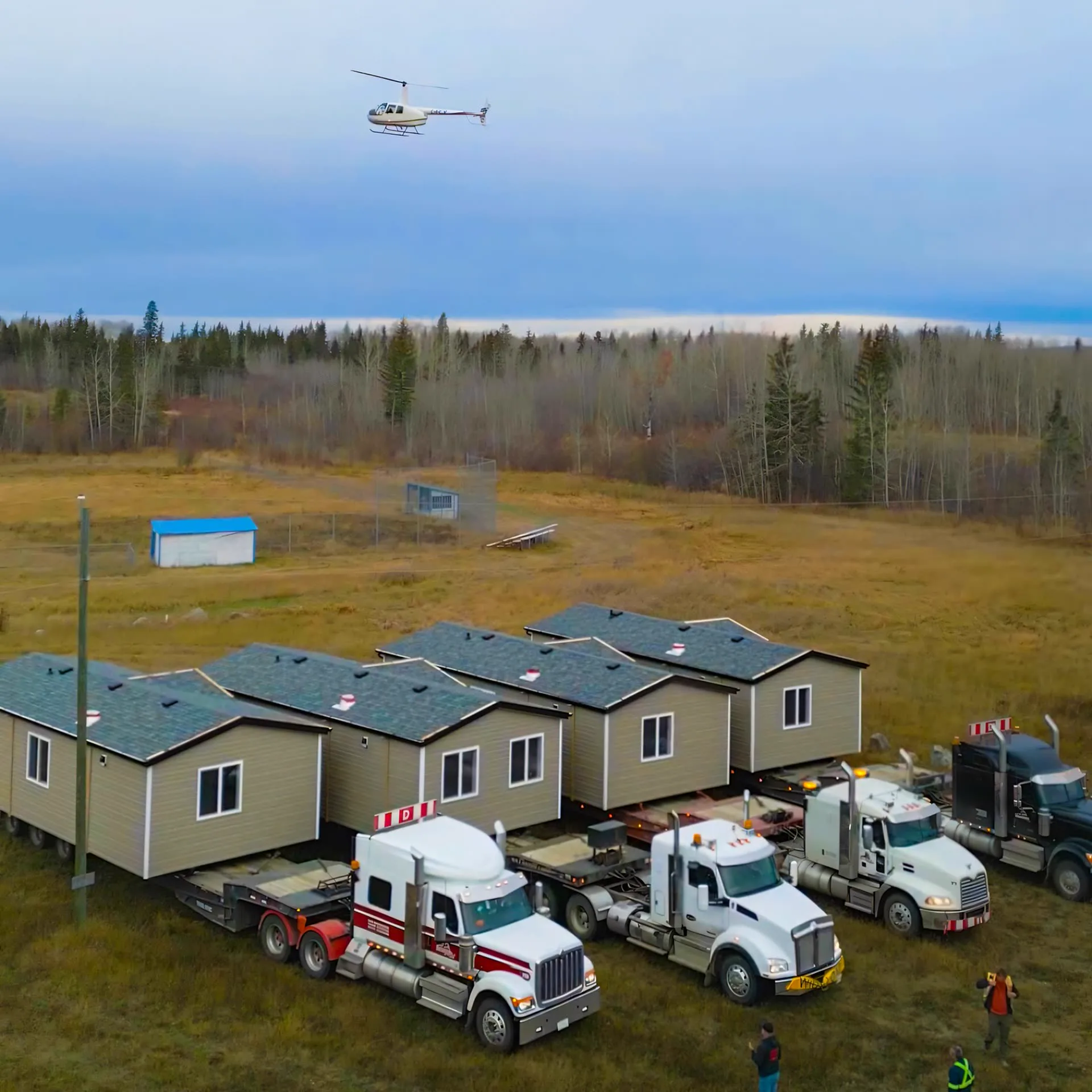
How Technology Is Changing Modular Construction
BIM, design for manufacture and assembly, factory production methods and the data a plant produces: what is changing, what the federal research agencies are funding, and what to ask.
Read more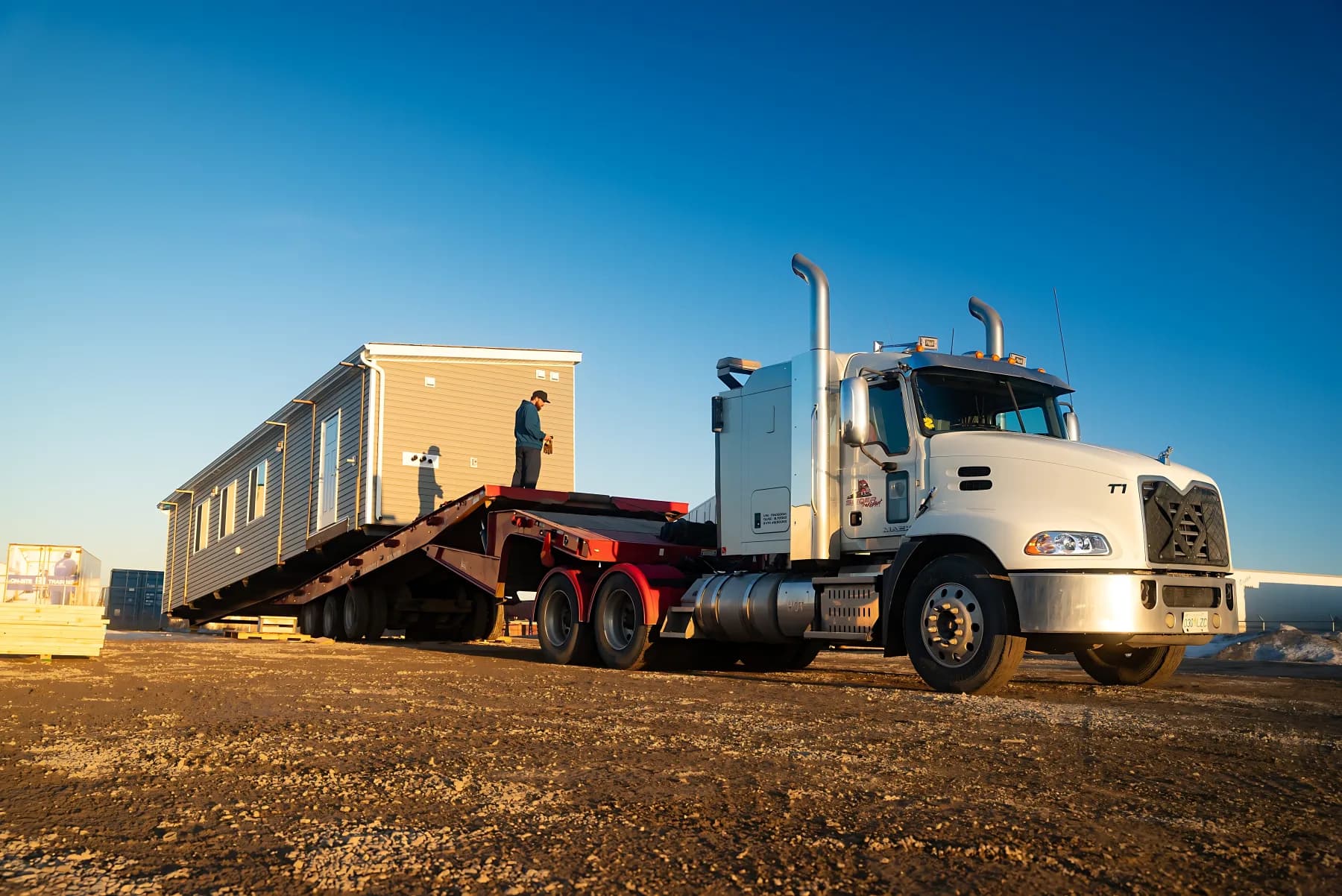
How Prairie Provinces Buy Modular Classrooms
Alberta Infrastructure, Saskatchewan's Relocatable Classroom Program and Manitoba's MERX postings: who funds, approves and buys modular classrooms, and what a supplier needs ready.
Read more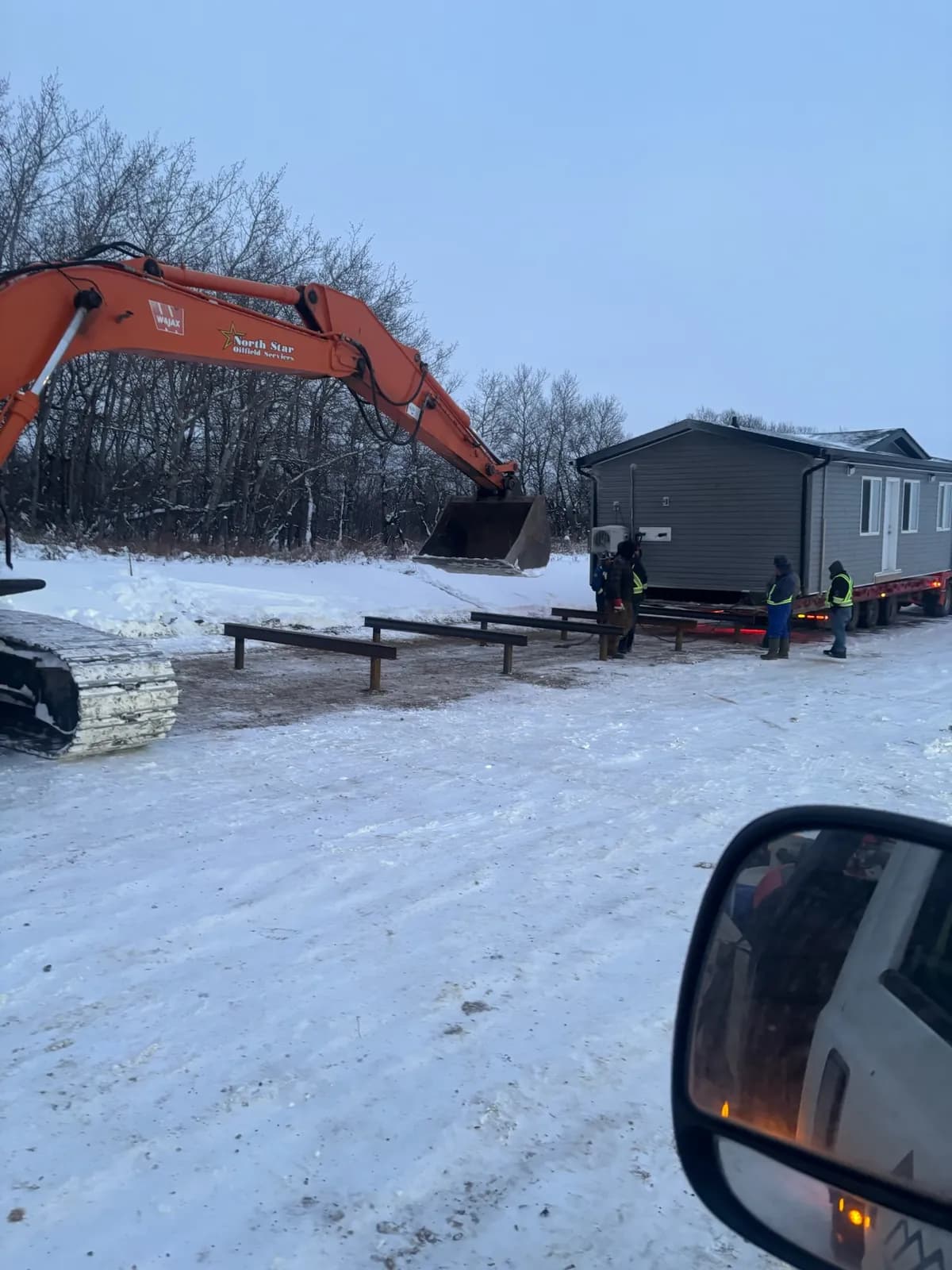
Prefab Site Offices for Alberta Projects
The 40' × 18' site office, the 30' × 14' safety office and 42' × 14' on-site quarters: the rooms as drawn, the standard specification, and the steel skid they travel on.
Read more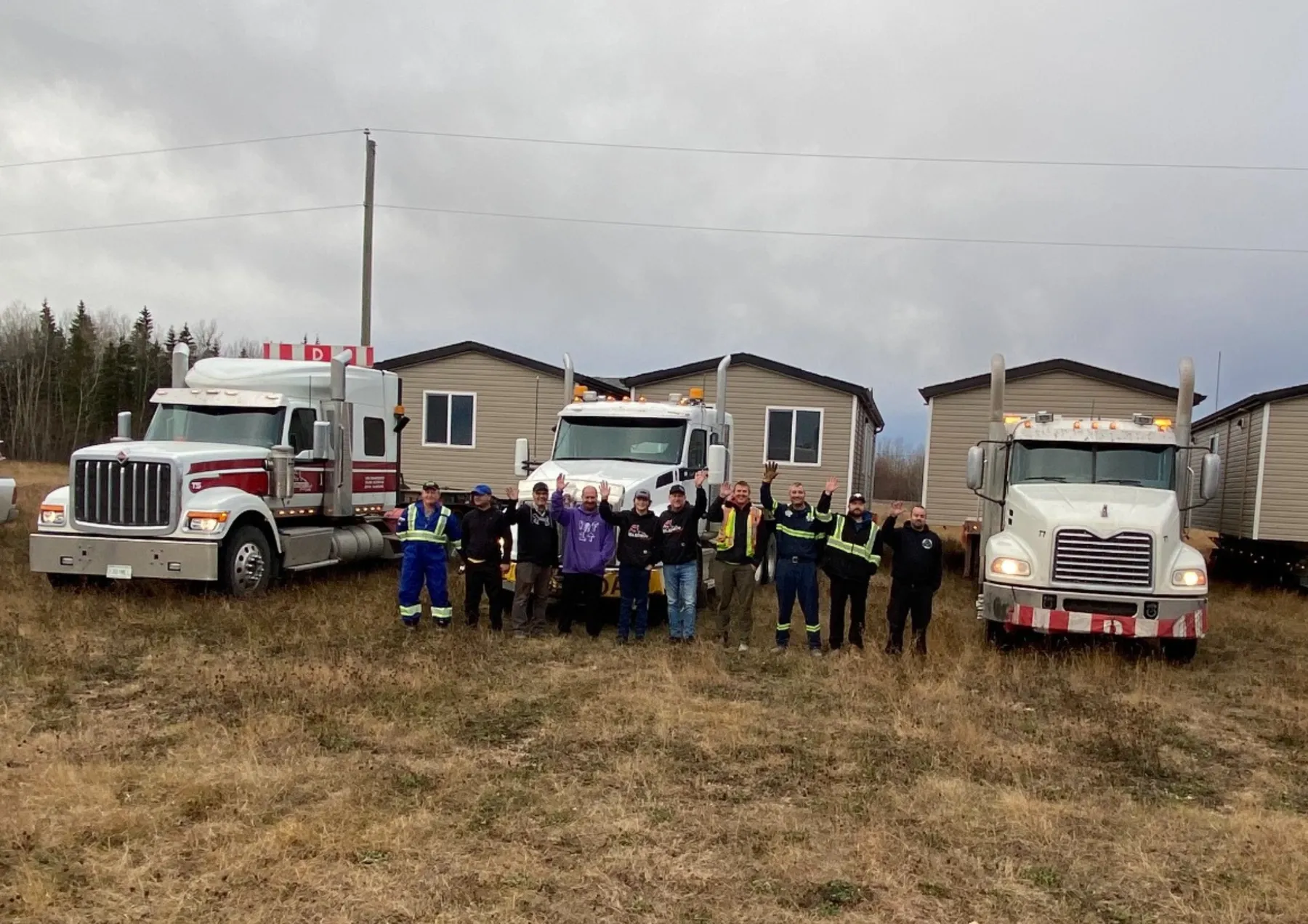
What to Specify for Workforce Camp Buildings
Head count and building mix, skid or foundation, water and sewer, power, access, the date crews arrive and the standard: the seven answers a camp quote is built on.
Read more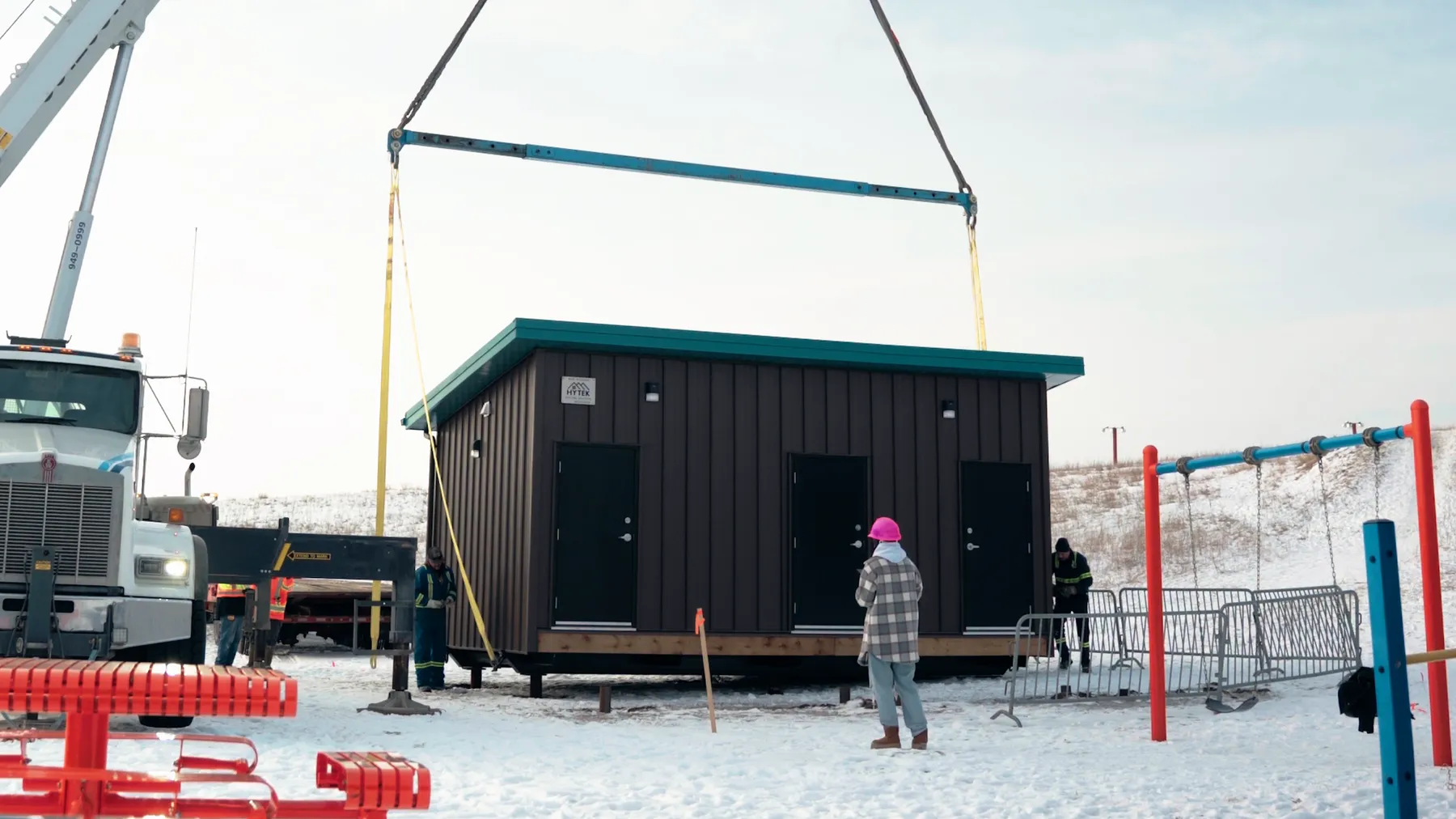
Park and Campground Washroom Buildings
Which barrier-free layout suits a spray pad, a campground or a ball diamond, sewer or self-contained, the cold-weather specification, and when to order for the season.
Read more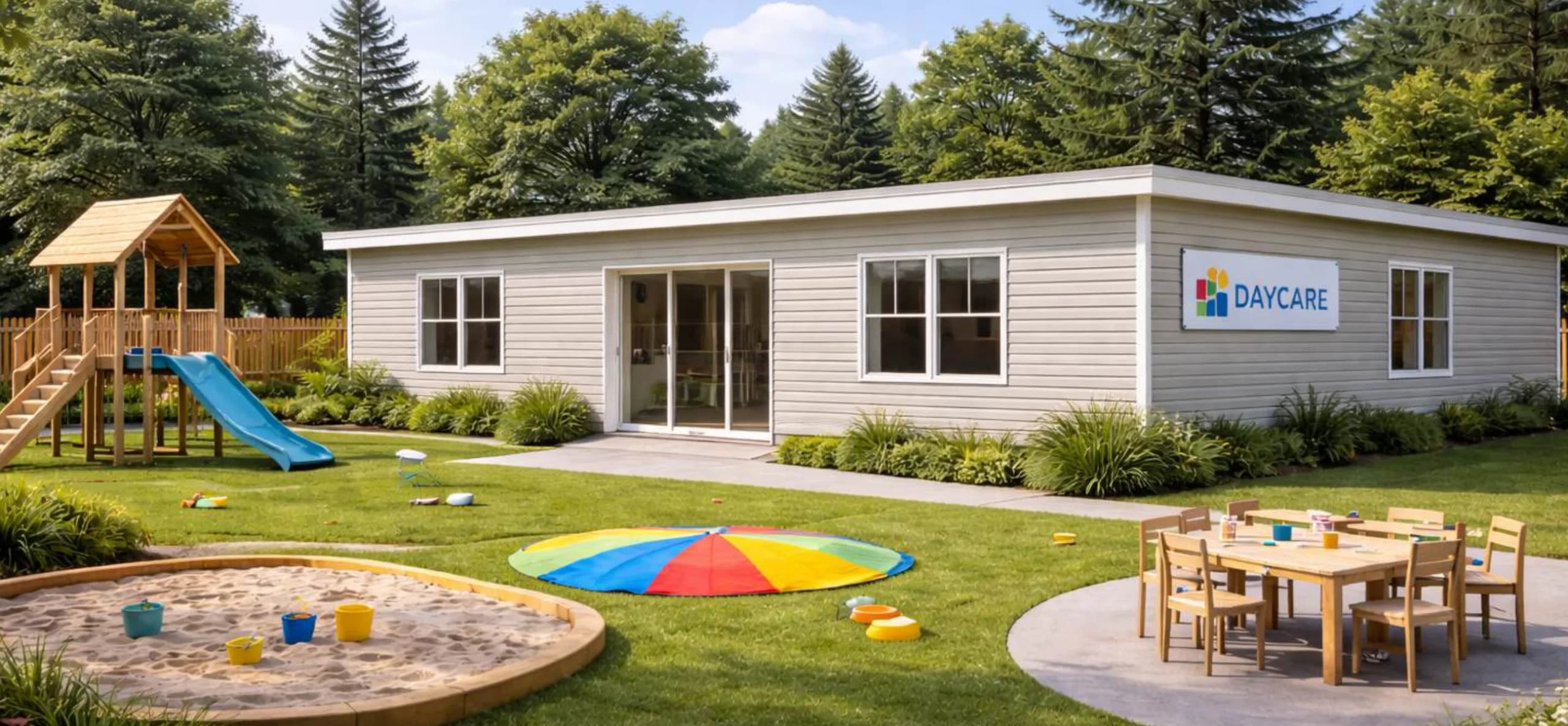
Render
Opening a Modular Daycare in Saskatchewan
Who qualifies for the capital grant of up to $13,360 a space, the steps from needs assessment to licence, the space rules in the regulations, and where a modular building fits.
Read more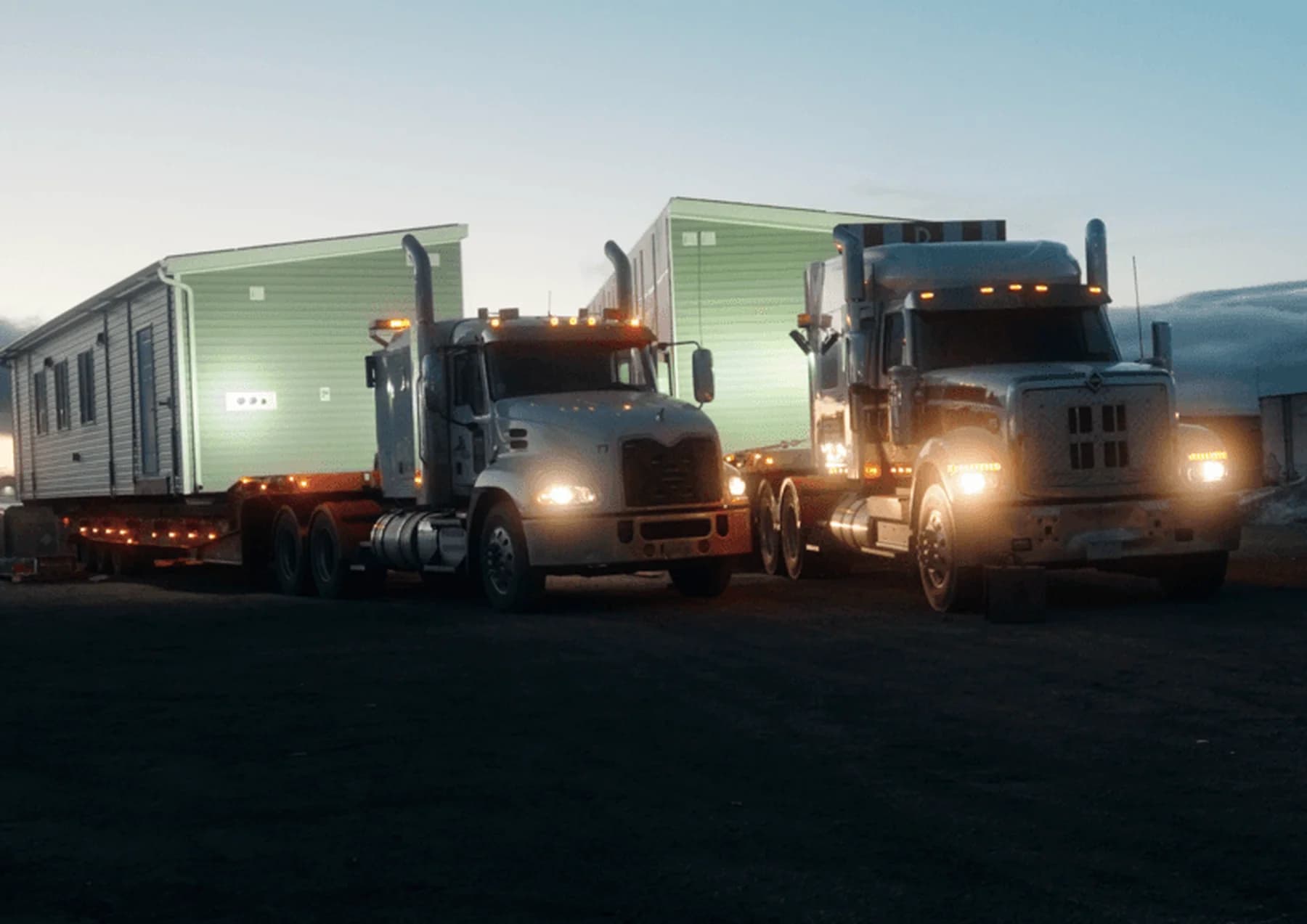
Modular Daycares and Manitoba's Building Fund
Up to 60% of eligible costs for new child care spaces: what the proposal needs, why nothing should be built before approval, the contract, space and licensing rules.
Read moreWhat to Put in a Modular Building RFP
Ten things a modular building tender should state so the bids can be compared: use, site, foundation, services, standard, scope split, date, warranty, price lines and documents.
Read more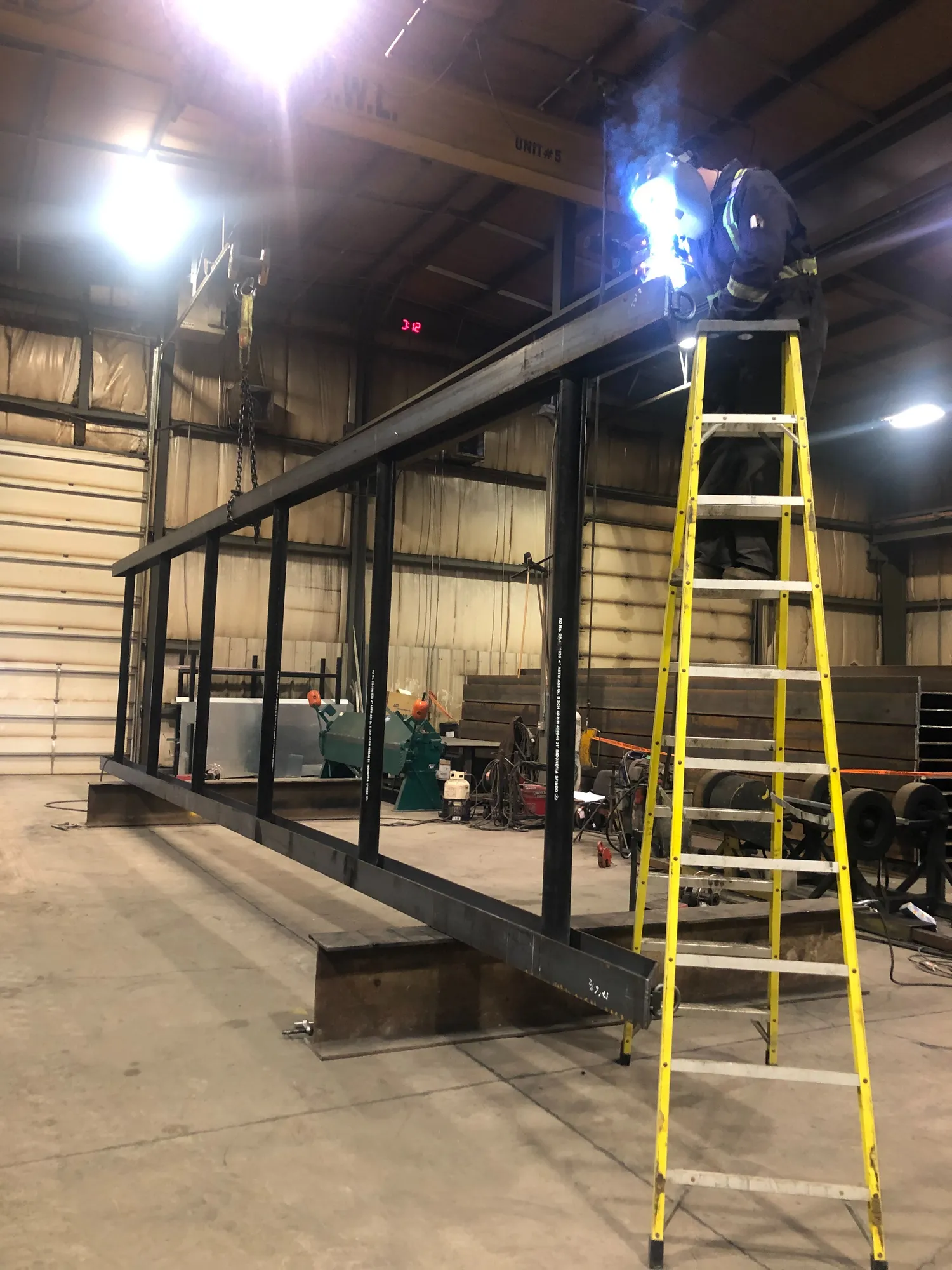
Steel Skid or Foundation for a Modular Building?
Engineered steel skid, jack stands, grade beams or piles: how to decide what a commercial modular building sits on when it is remote, relocatable or staying put.
Read more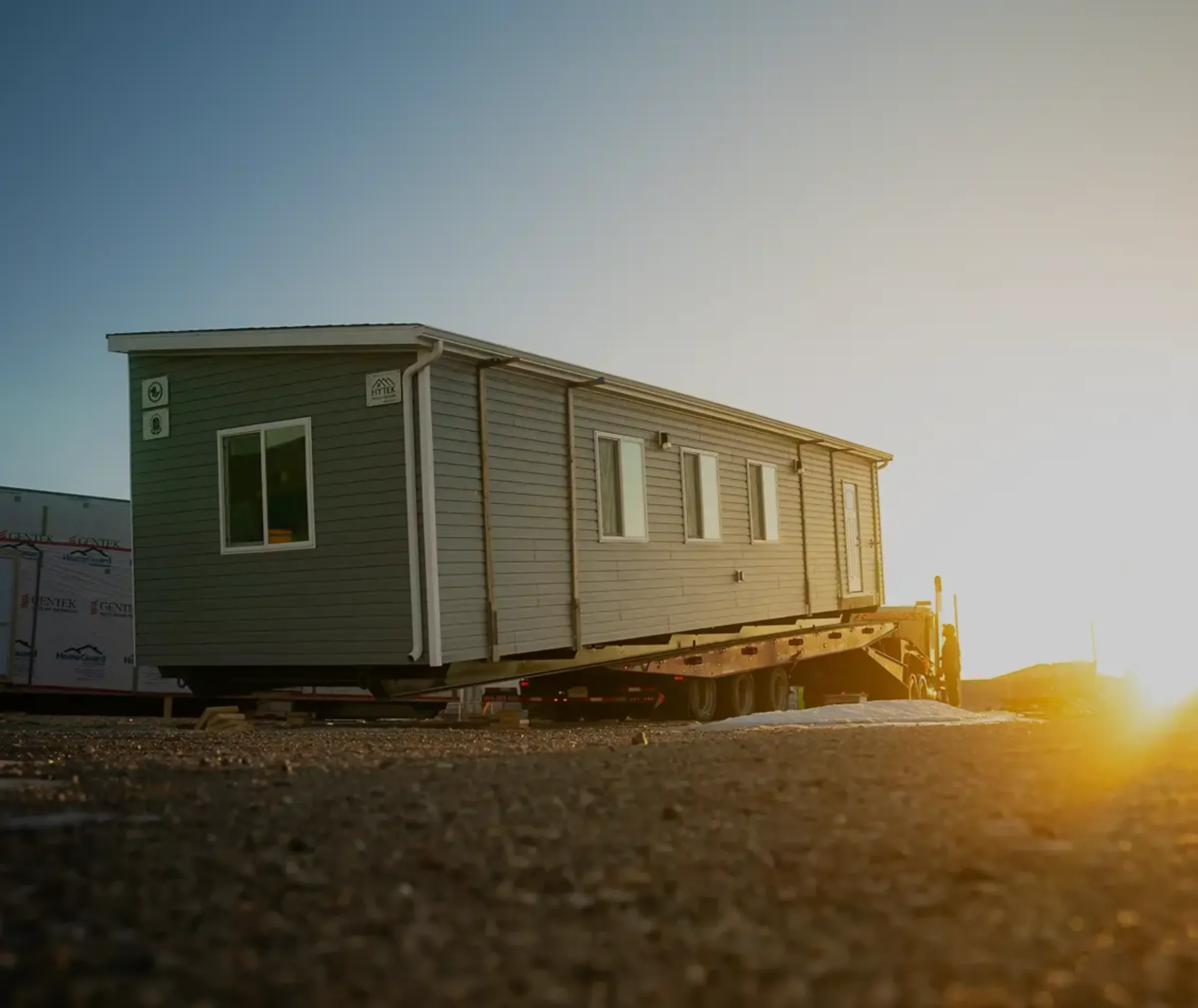
Funding Modular Buildings for First Nations
ISC's Capital Facilities and Maintenance Program, the Health Facilities Program, child and family services capital, and CMHC Section 95: which program usually funds which building, and where to apply.
Read more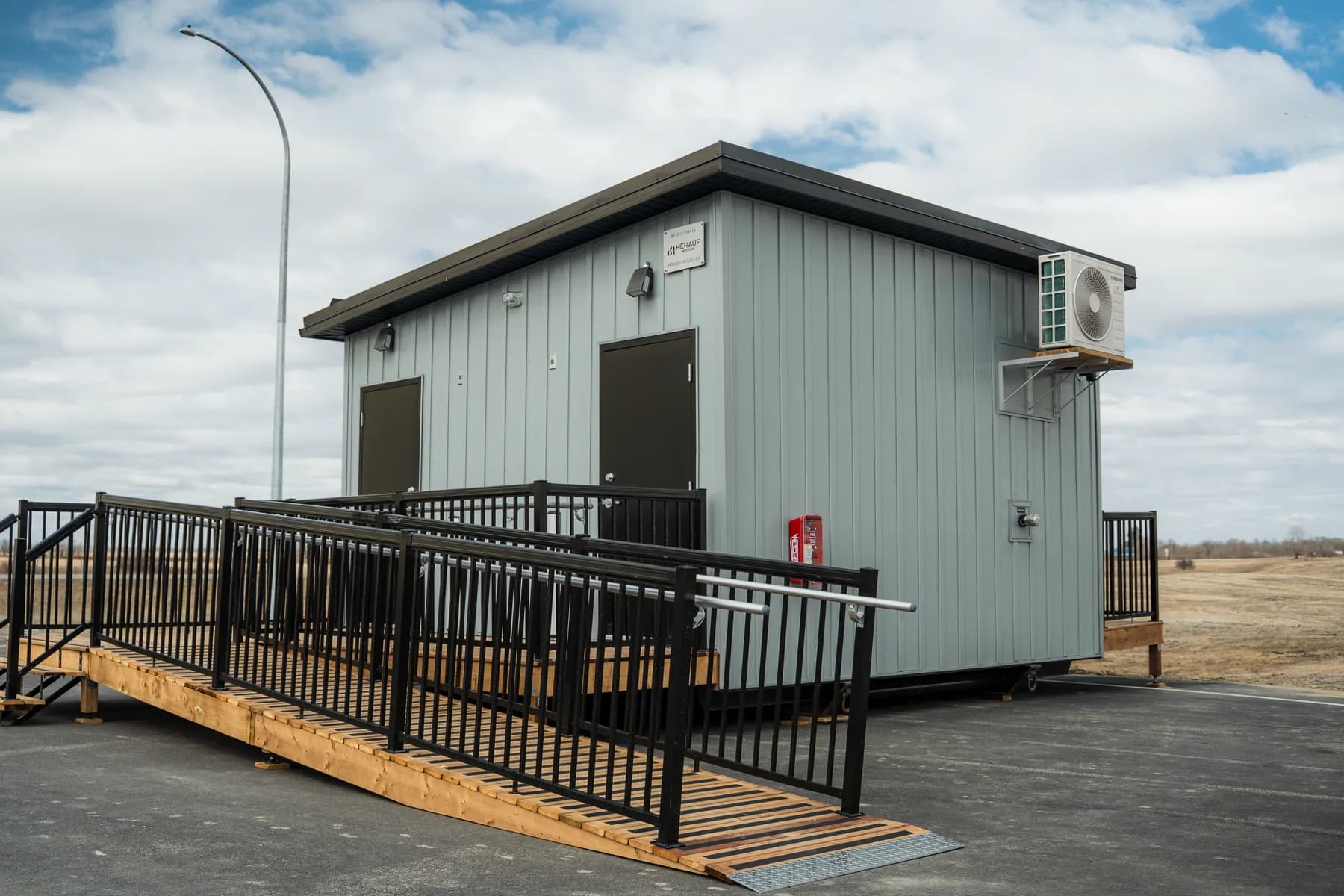
Modular Medical Clinics and Pharmacies
A three-exam-room medical centre, a first-aid unit and a pharmacy with a secure vault, from the published commercial catalogue. Sizes, skid or foundation, and timelines.
Read more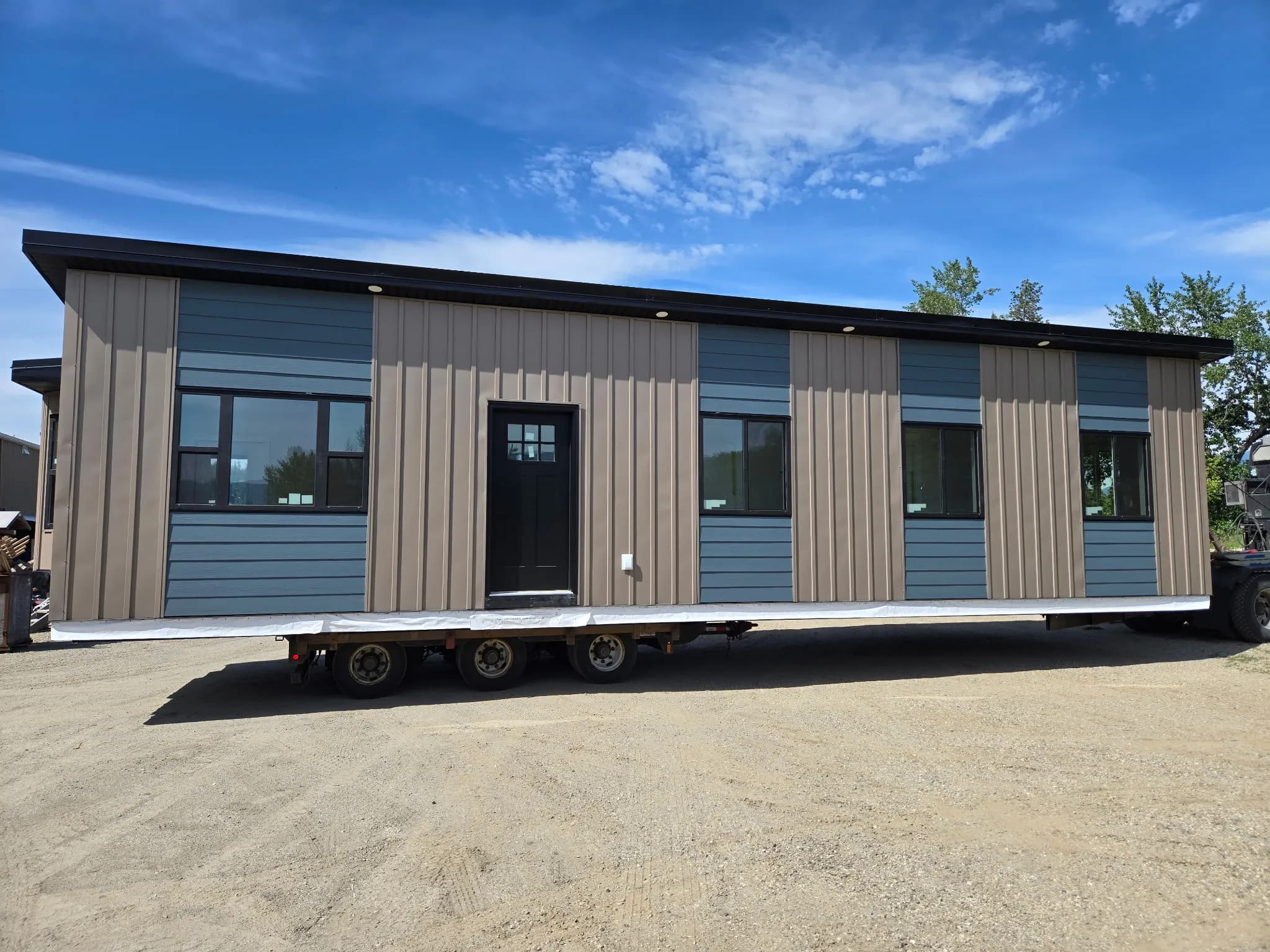
Modular Homes in BC, Built at Enderby
Built indoors at the 50,000 sq ft Enderby plant, coordinated from Kelowna and hauled whole to sites from the Okanagan to Nelson. The code, the route and the timeline.
Read more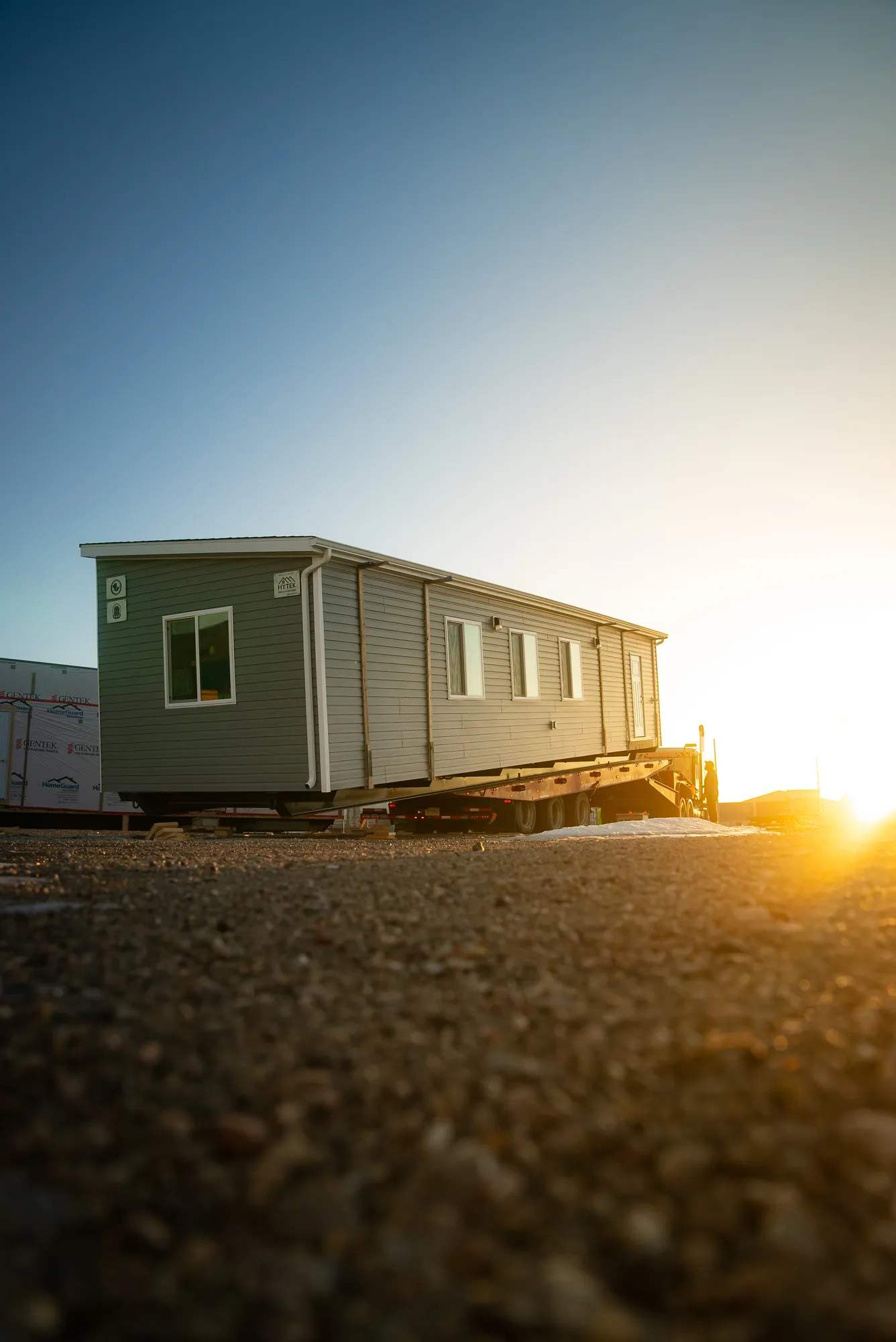
Modular Backyard and Garden Suites
A 192 to 432 sq ft small home, built indoors and craned into the back yard. What cities like Saskatoon, Regina and Calgary require, and what a suite needs on site.
Read more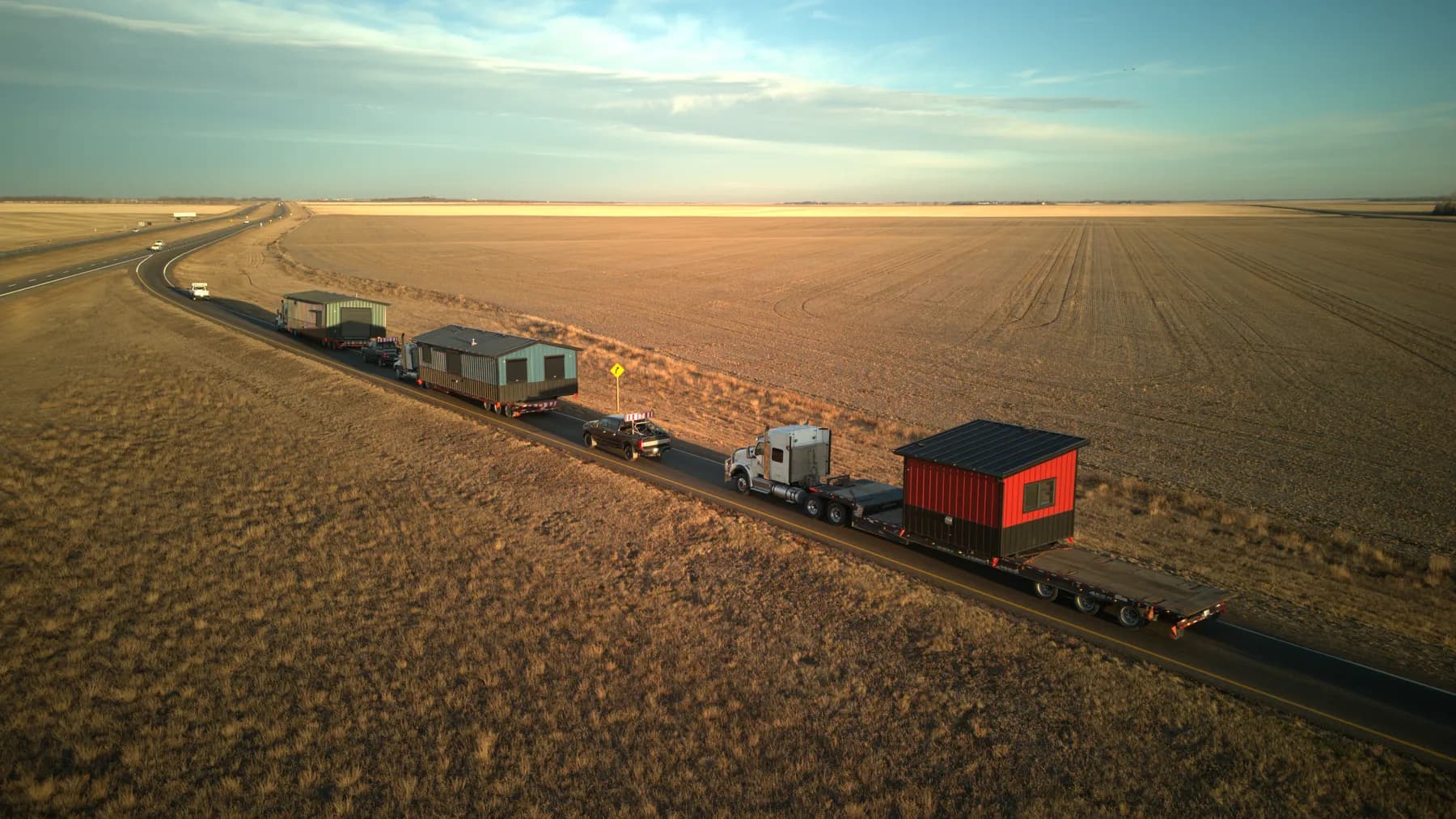
Insuring a Modular Home in Canada
On its foundation a modular home is insured like any house. The questions are the weeks before that: the build, the move and set day. What to ask your broker, and when.
Read more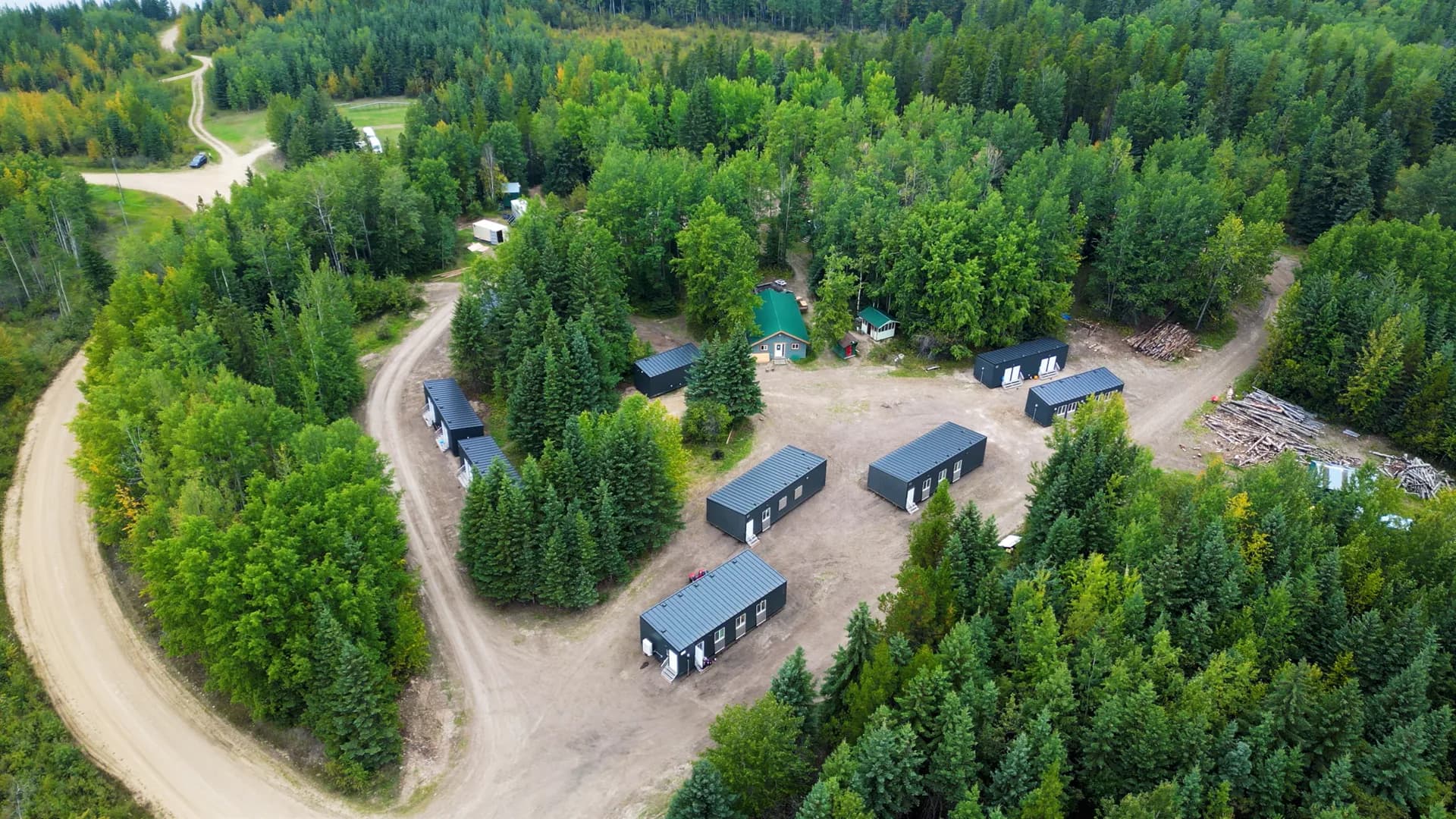
Modular Cabins and Cottages for Rural Lots
Small homes from 192 sq ft, the luxury Mt. series, or a one-piece plan up to 990 sq ft, built indoors and set on a lake or rural lot. What fits, and what the lot needs.
Read more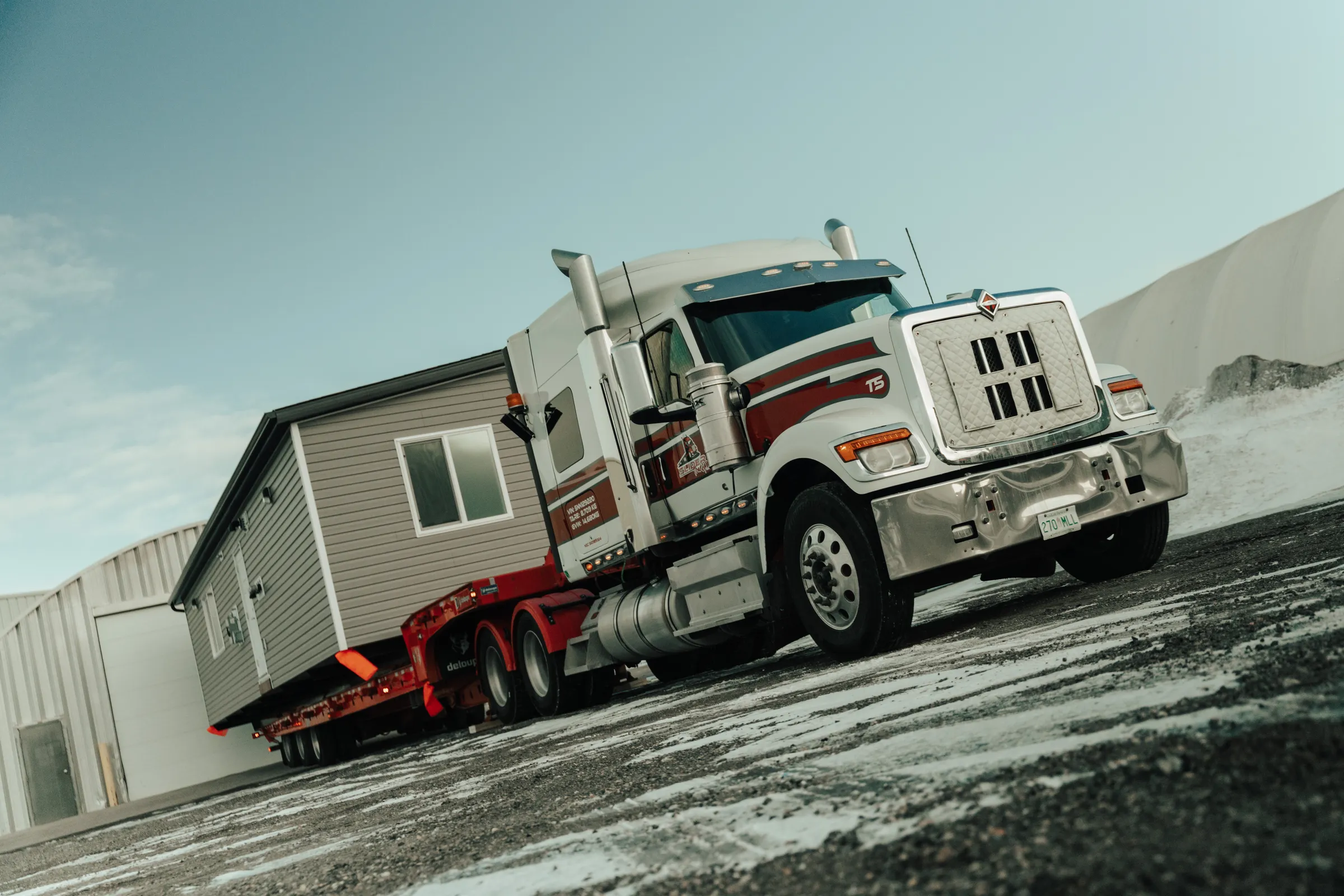
Modular Housing for First Nations Communities
Built through the off-season, delivered in the ice-road window, set on a skid or a foundation. How factory-built homes reach First Nations and Métis communities, and where they already have.
Read more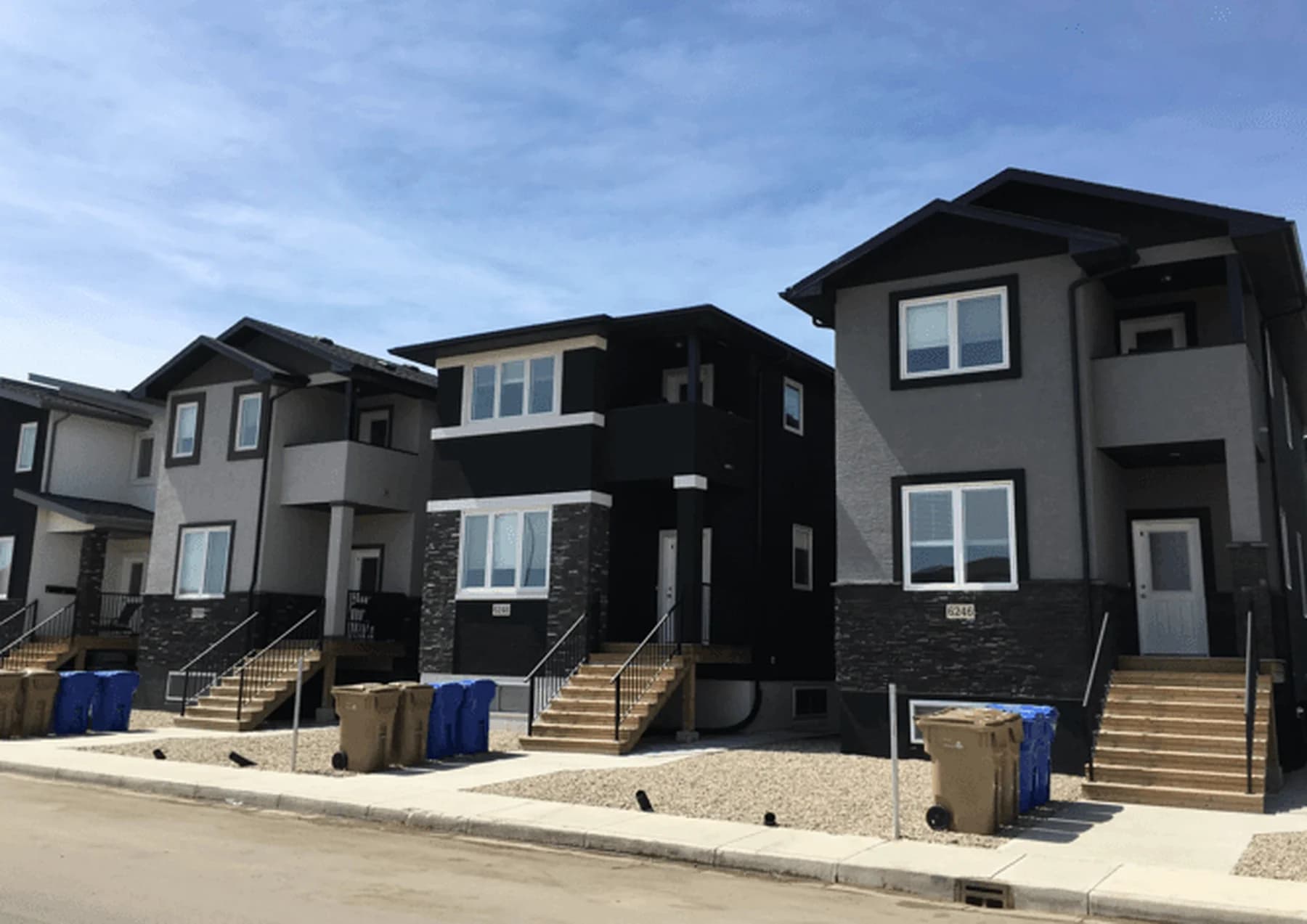
Modular Duplexes and Triplexes in Alberta
The published duplex, triplex and four-plex layouts, suite by suite, how they reach Edmonton and Calgary from the St. Paul yard, and how an owner-occupier can finance one.
Read moreModular Washroom Buildings: Sizes and Uses
Nine barrier-free standard sizes, municipal sewer or self-contained, and the public washrooms already in use at a spray park, a highway facility and two co-op fuel sites.
Read more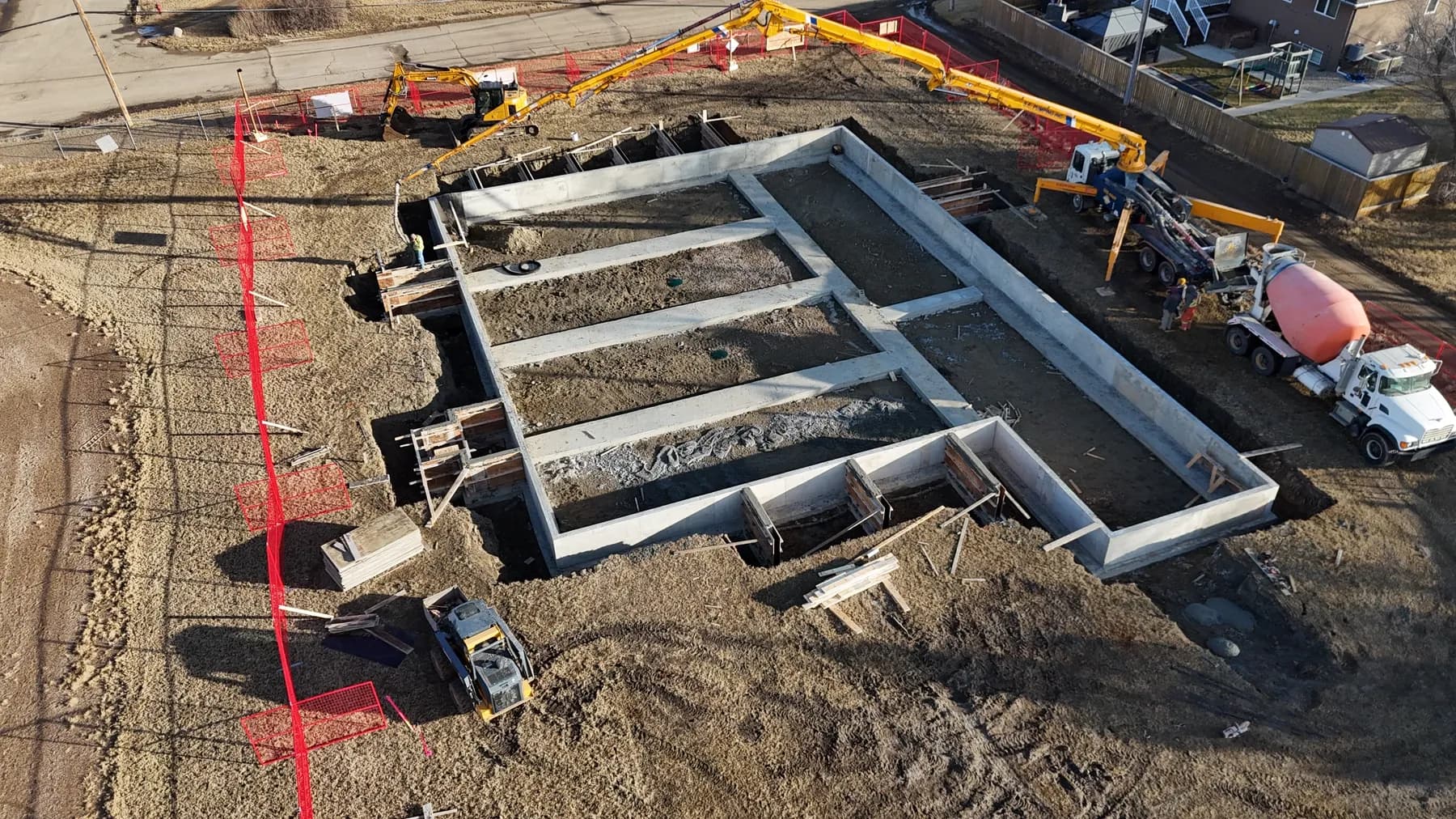
How Fast Is Modular Construction, Week by Week
About 16 weeks from order to move-in, up to 50% faster than site-building, because two timelines run at once. Here is where each week goes and what actually slows a build.
Read more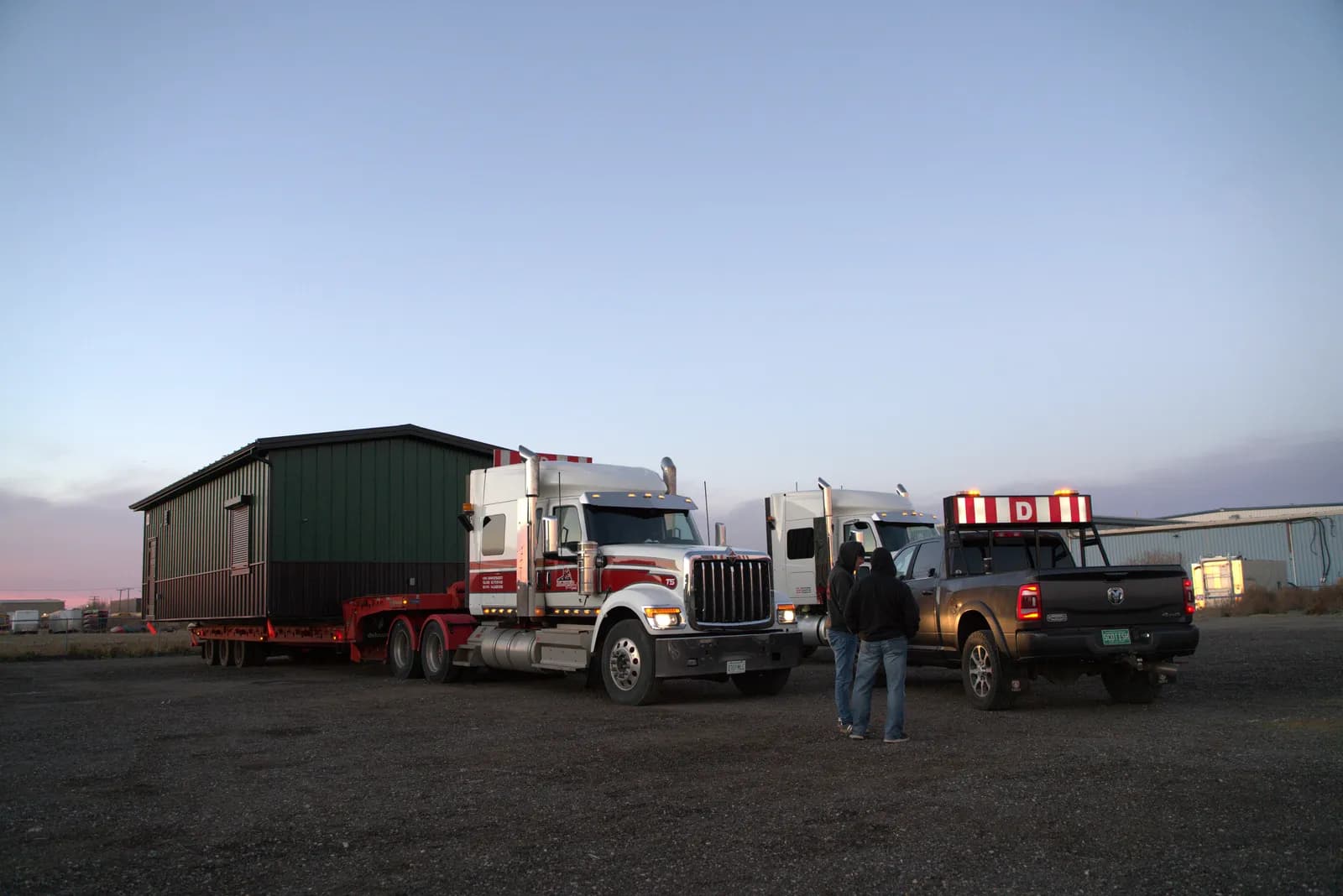
What Is an RTM (Ready-to-Move) Warehouse?
A ready-to-move warehouse is built complete off-site and moved in one piece, so it has to fit on the road in a single load. What that allows, and what Herauf builds instead.
Read more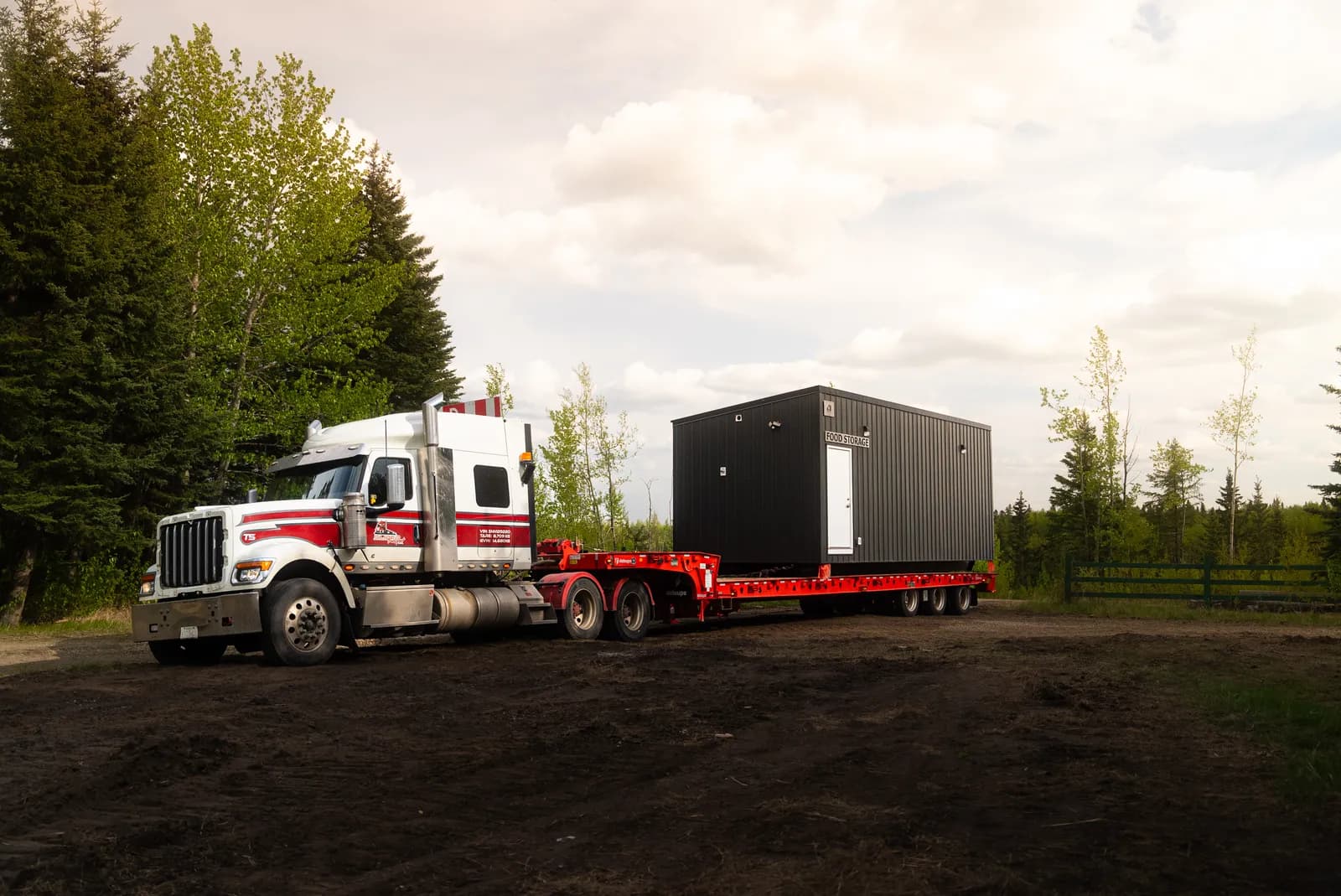
Modular Buildings in Grande Prairie: Offices, Camps
Offices, daycares and crew facilities built indoors, finished at St. Paul and set in days across Grande Prairie and the Peace Country. Sizes, capacities and timelines.
Read moreModular Office Buildings: Three Sizes Explained
Built complete indoors and set on a skid or foundation in days. The three office sizes in the commercial catalogue, skid versus foundation, and the offices already delivered.
Read moreCustom Prefab Buildings: What You Can Change
A published model finished to your choices, or a catalogue layout engineered to fit. What you choose, what stays standard, and why the production line makes both work.
Read more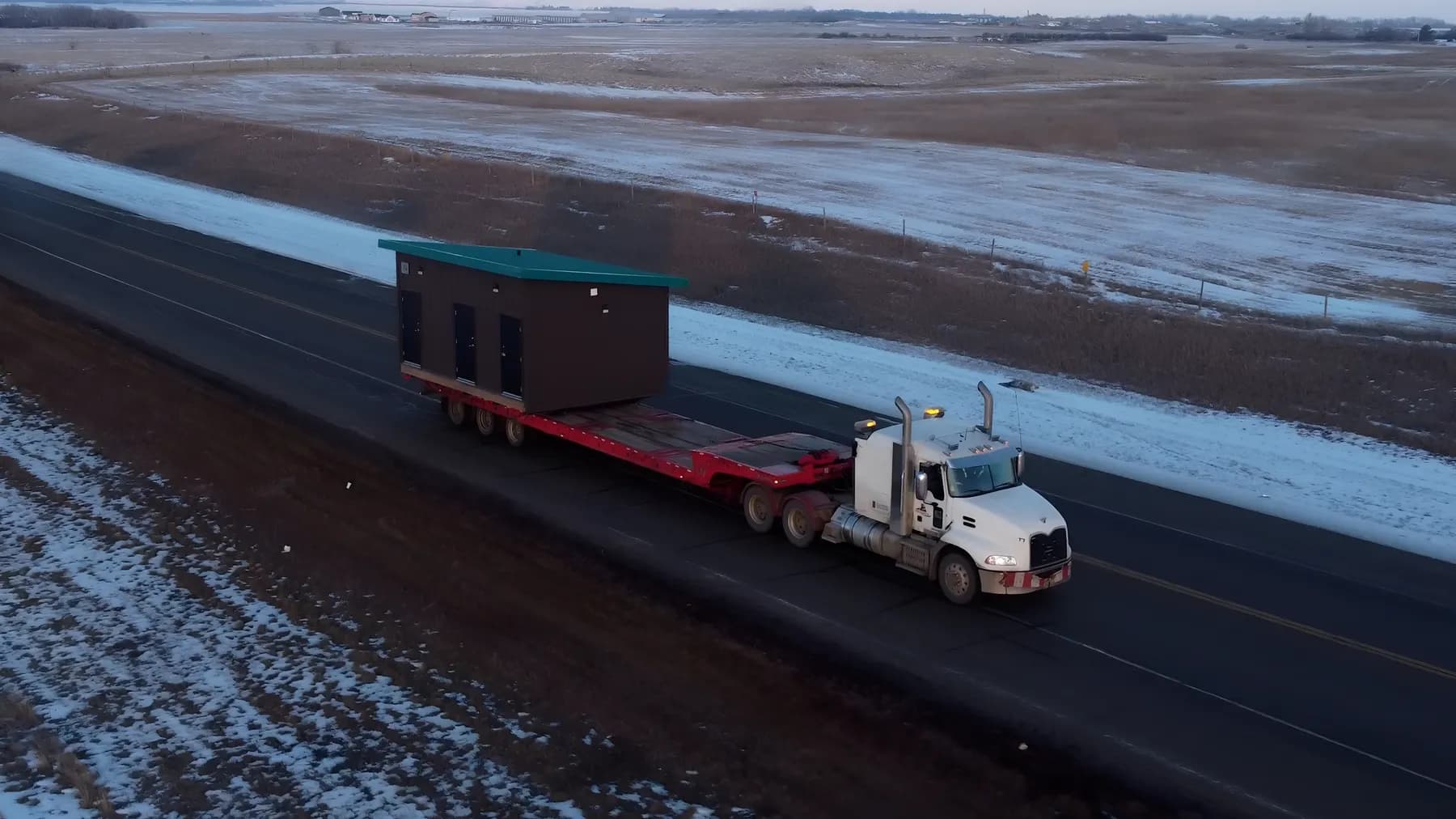
Modular Restaurant and Coffee Shop Buildings
A 50' × 18' coffee shop with a kitchen and pass-through window, or a concession with washrooms, built indoors and set in days. The published layouts and what can change.
Read more
Prefab Emergency Shelters, Built in Saskatchewan
A finished, code-built home on a steel skid, delivered whole to an evacuation or flood site and set in days. What arrives, how it connects, and where it has gone.
Read more
RTM Home Standard Features: What Is Included
Construction that meets or exceeds CSA A277, an envelope energy-modelled for climate zones 6 to 8, triple-pane windows and electric heat come standard. The finishes are yours to choose.
Read moreRelocatable Workforce Housing: How It Works
Built complete on a steel skid, set in days without a poured foundation, and moved to the next project when the work ends. What a unit includes and where it has been delivered.
Read moreFinancing a Modular Home in Canada: How It Actually Works
A modular home on a permanent foundation is mortgaged like any other house. Here is the financing path step by step, and how the 16-week build changes the math.
Read more
The Herauf $15,000 Build Credit Explained: How to Qualify
The Herauf $15,000 Build Credit takes $15,000 off eligible new modular builds across Canada. It is not a government grant. Here is what it covers and who qualifies.
Read more
CSA A277 Explained by a Modular Builder
Factory-built modules arrive sealed and finished, so who checks they meet code? CSA A277 is the Canadian standard that answers that question. Here is how it works.
Read moreRender
Modular Daycares and Schools: Learning Spaces, Built to Code and On Schedule
Childcare and classroom space is needed faster than conventional construction can deliver. Here is how modular opens learning spaces sooner, without cutting corners on code.
Read more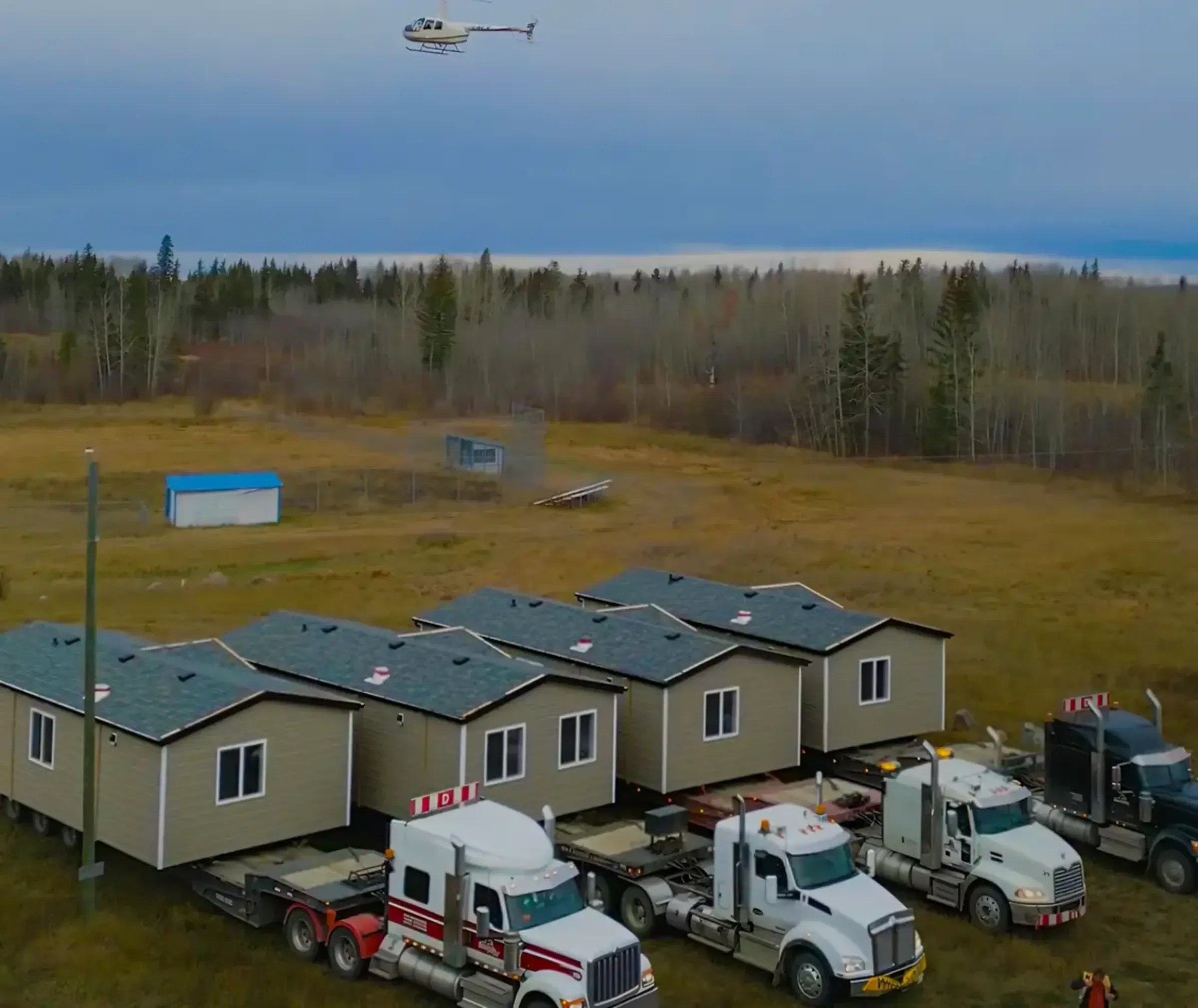
Modular vs. Manufactured vs. Mobile Homes: What's the Difference?
The three terms get used interchangeably, but they mean very different things for code, financing, and resale. Here's a clear breakdown.
Read moreFoundations for a Modular Home: Your Options Explained
Basement, crawlspace, piles or slab: how to choose, what the National Building Code asks of a foundation, and how it fits the delivery date.
Read more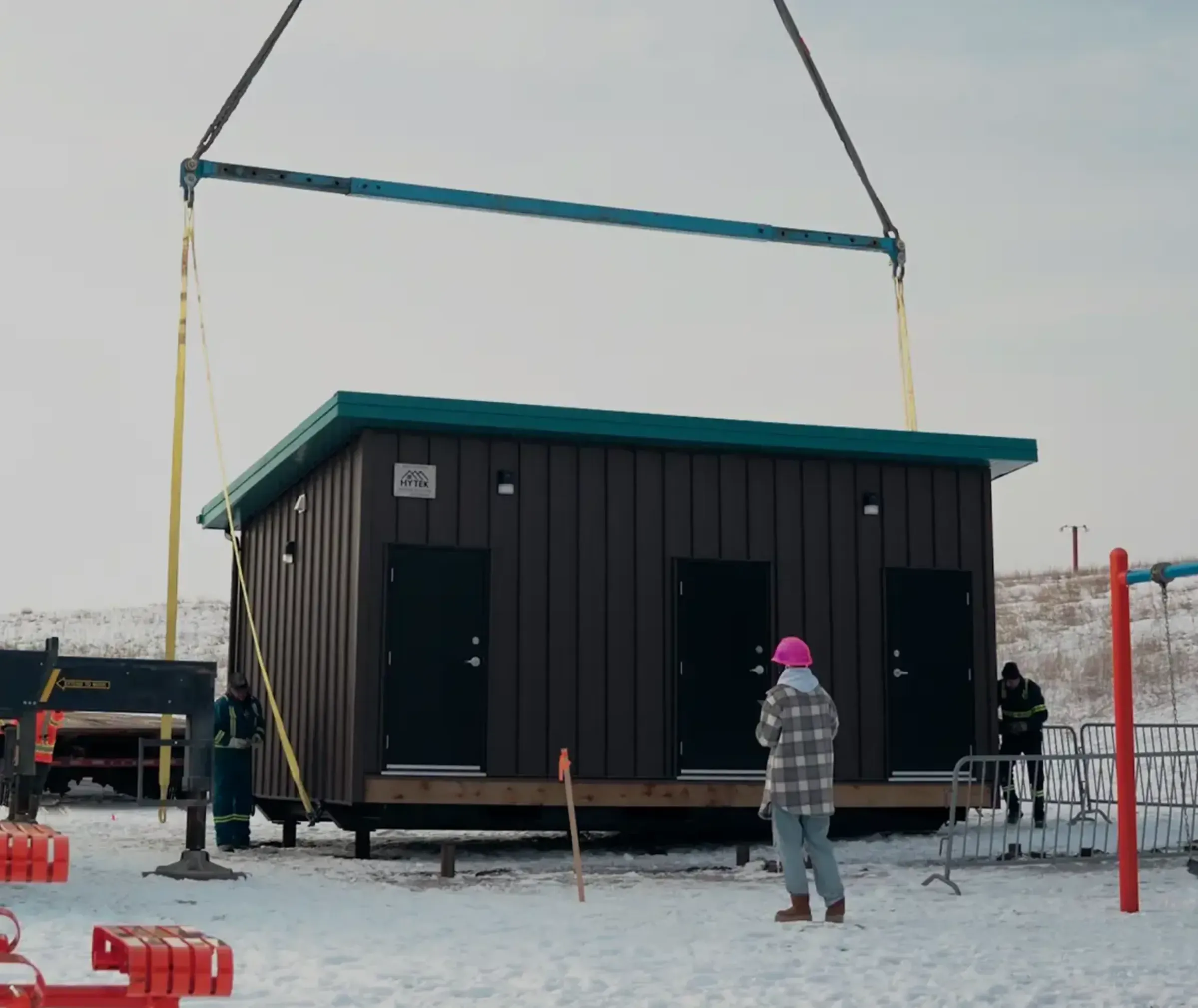
How Modular Homes Handle Canadian Winters
A continuously insulated, airtight shell, triple-pane low-E windows, and an HRV, engineered for climate zones 6 through 8. Here's what keeps a modular home warm.
Read more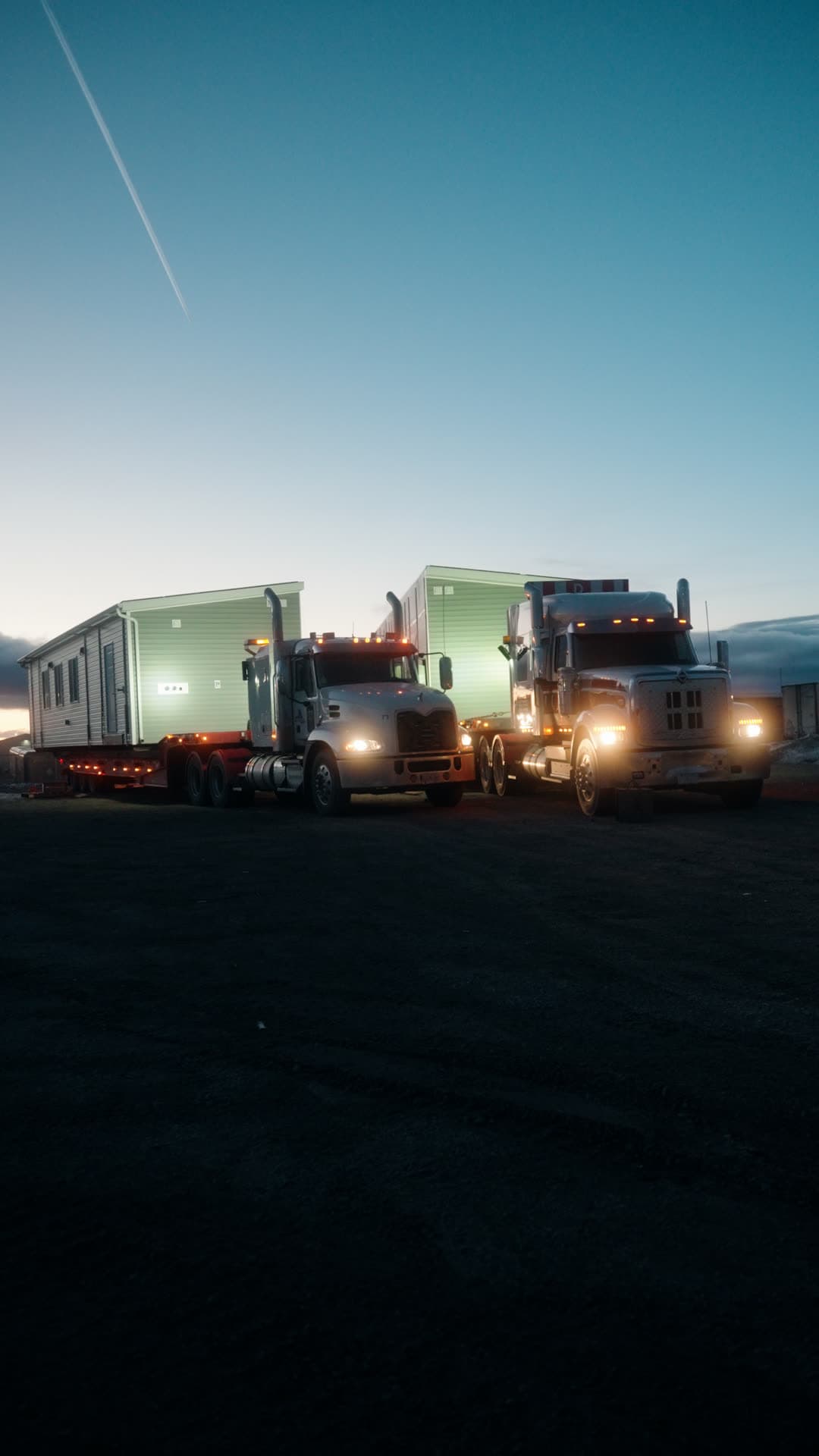
Modular Housing for First Nations & Remote Communities
When a site is fly-in only or reachable just by winter ice road, building complete in a facility changes what's possible. How modular reaches fly-in and ice-road communities.
Read moreWhy Modular Construction Is Up to 50% Faster
Delivered up to 50% faster than conventional builds. Here's the system behind our speed.
Read more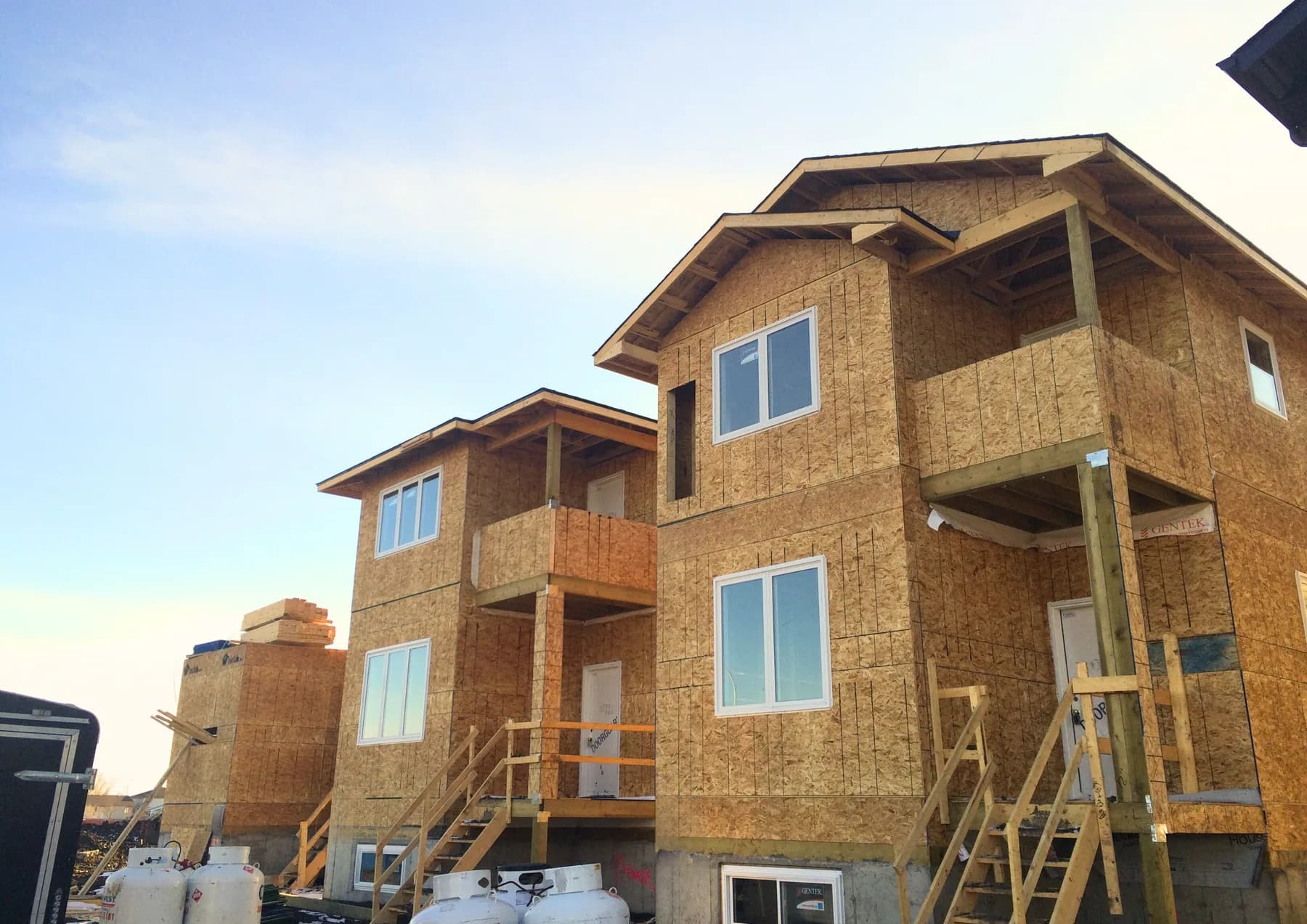
Modular Construction Advantages for Multi-Family Housing
Why repeated suites suit a factory, which part of the building code applies, Herauf's duplex to twelve-plex lineup, and CMHC financing that now covers modular.
Read more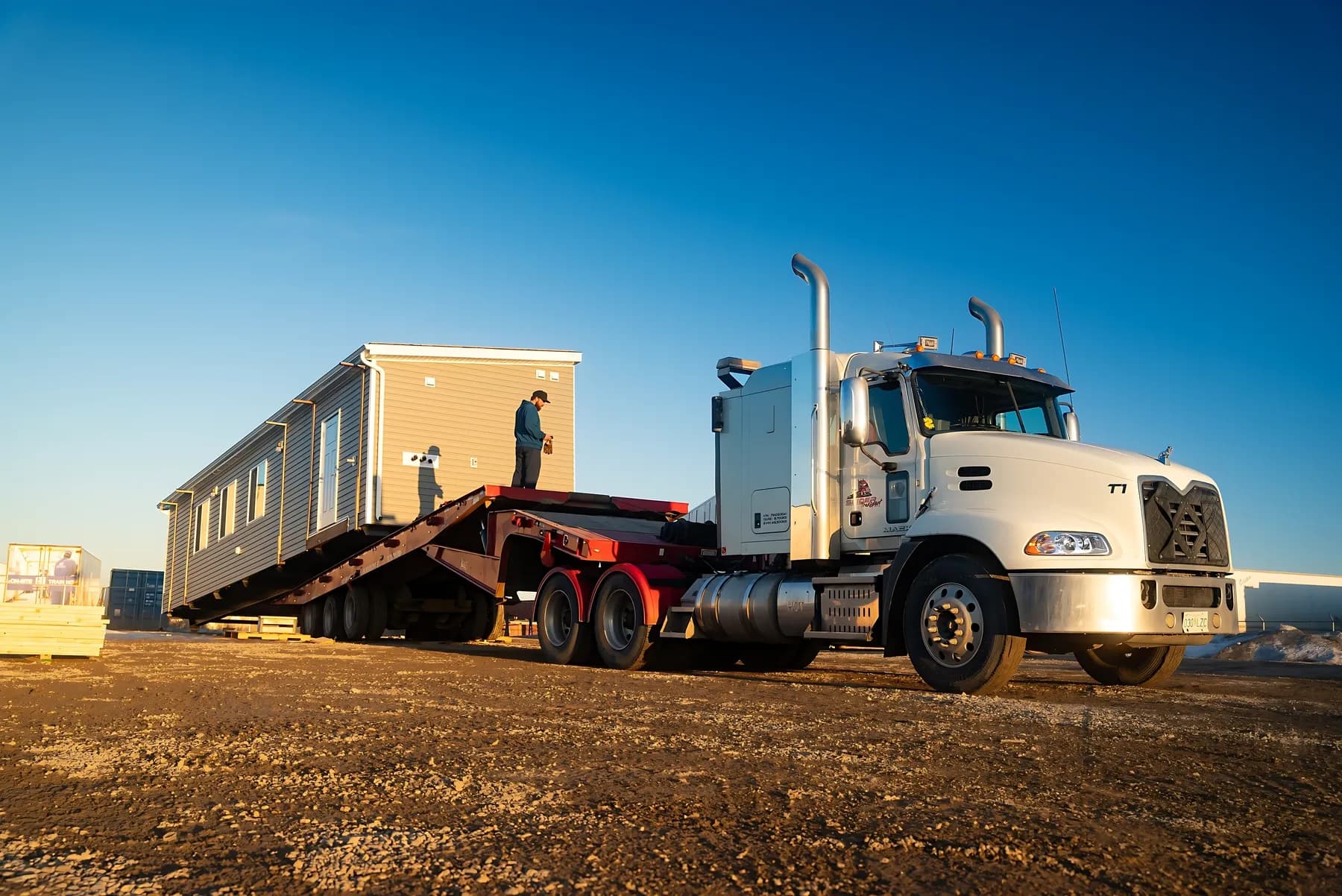
Stick Build vs Modular Construction: Which is Right for Your Project?
Both methods have their place, but modular offers significant advantages for most modern projects.
Read moreWhy Choose Modular Construction?
A parallel schedule, building through winter, consistent quality and reach to remote sites, plus when modular is not the right fit.
Read more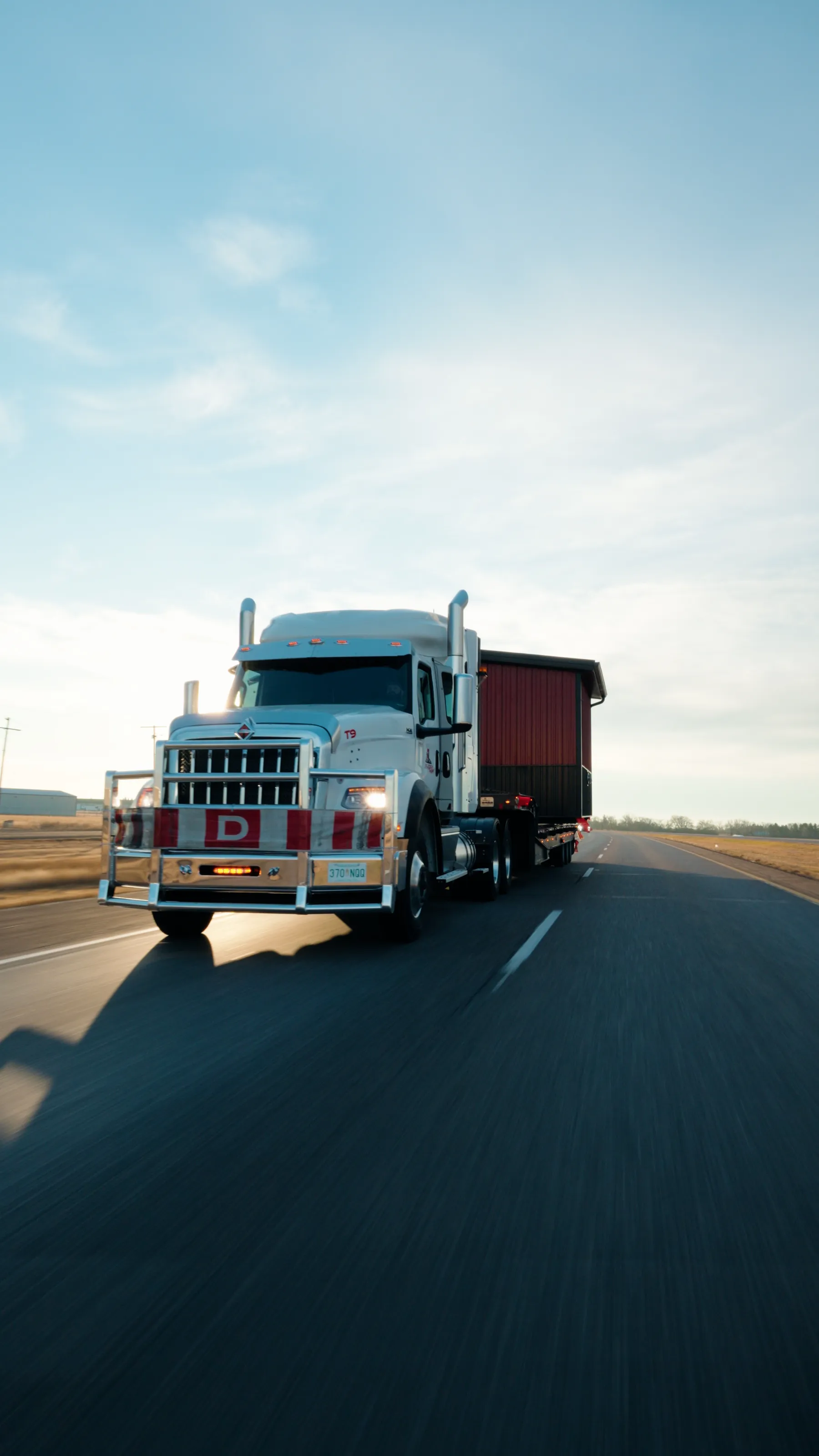
Advantages for Rural Properties
Access routes, well and septic permits, power, foundations and financing: what to settle first when a modular home goes on an acreage or farm.
Read moreAdvantages for Municipalities
What towns and RMs build modular, how federal infrastructure money reaches them, when a building must be tendered, and a spray park washroom from start to finish.
Read moreDeveloper Advantages with Herauf Modular
Carrying costs, decisions made early, CMHC financing that now accepts modular, and building designs that repeat from one site to the next.
Read more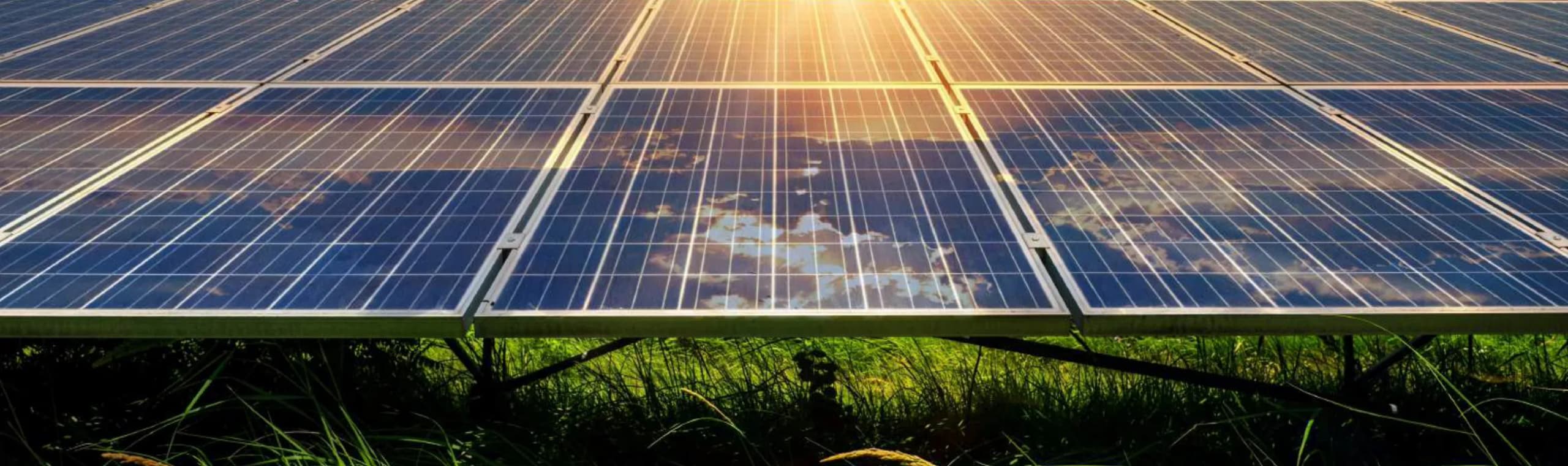
The Environmental Advantages of Modular Construction
Where modular's environmental benefits come from: an airtight envelope built indoors, fewer losses on site, buildings that can be reused, and the trade-offs.
Read moreReady to price your build?
Tell us about your project and we'll respond within one business day with a free, no-obligation quote.